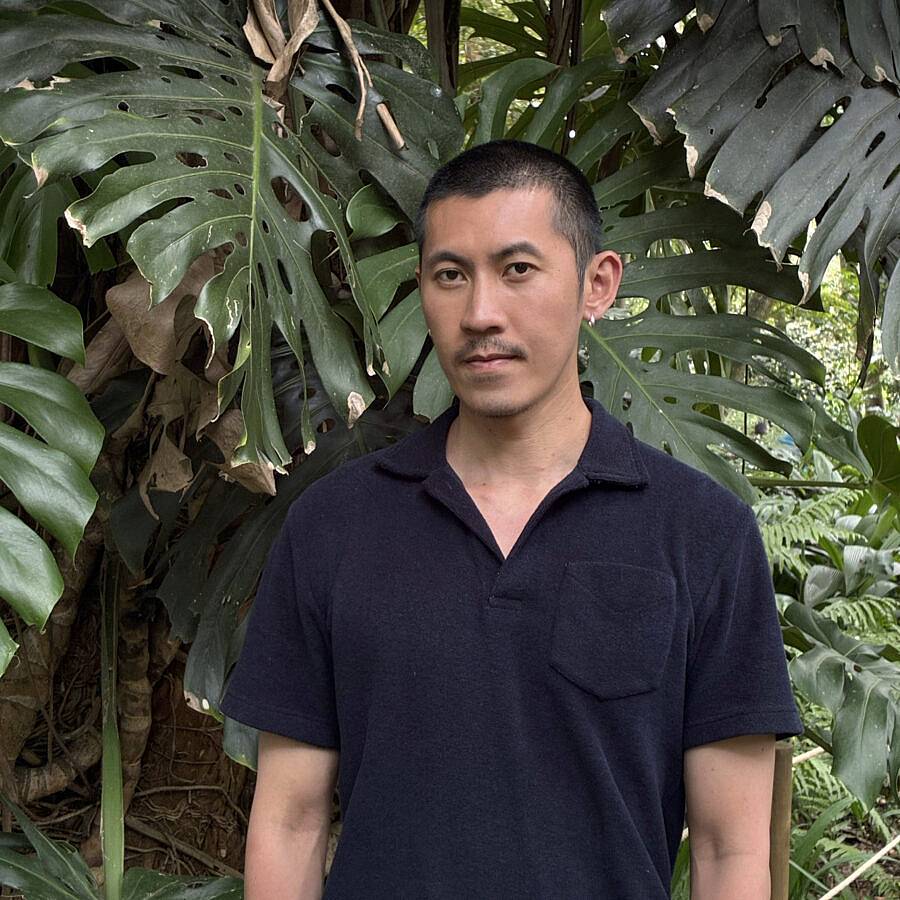
Tell us a little about yourself and what you do.
I was born and raised in Taiwan and moved to the United States to pursue my master’s degree. That was my first time living abroad and navigating a Western cultural context.
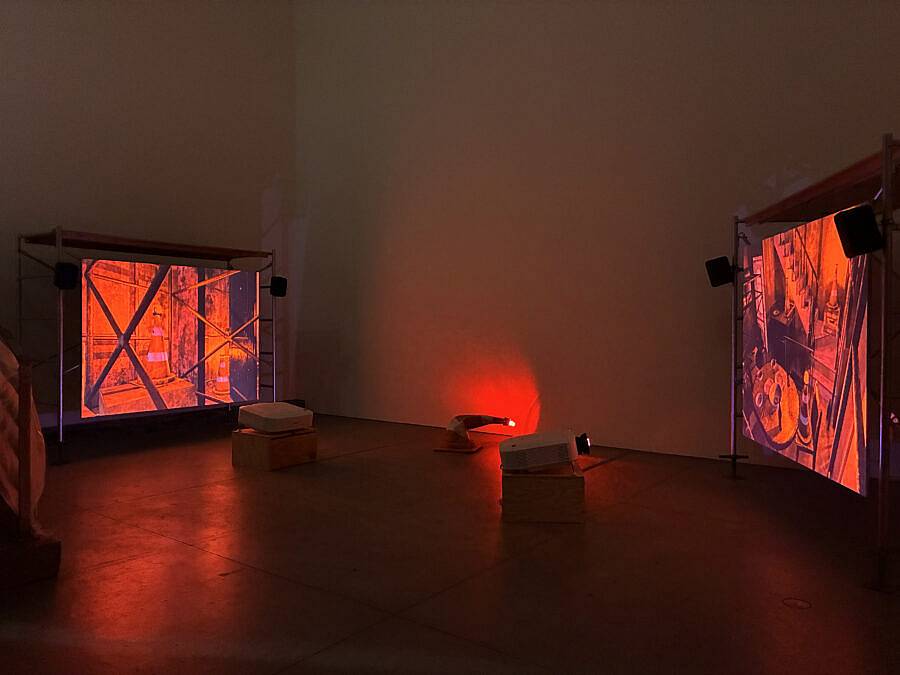
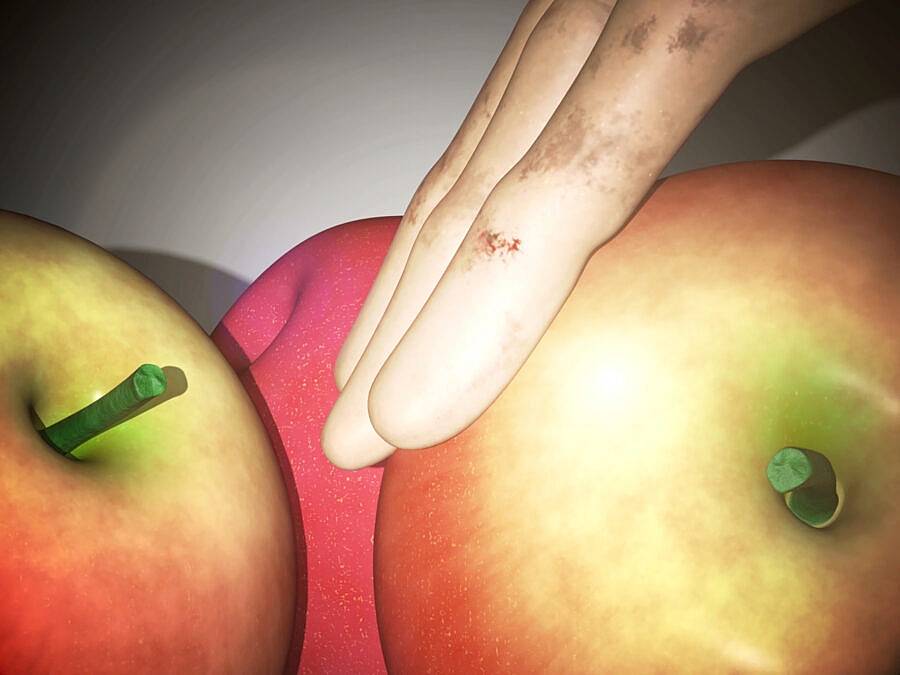
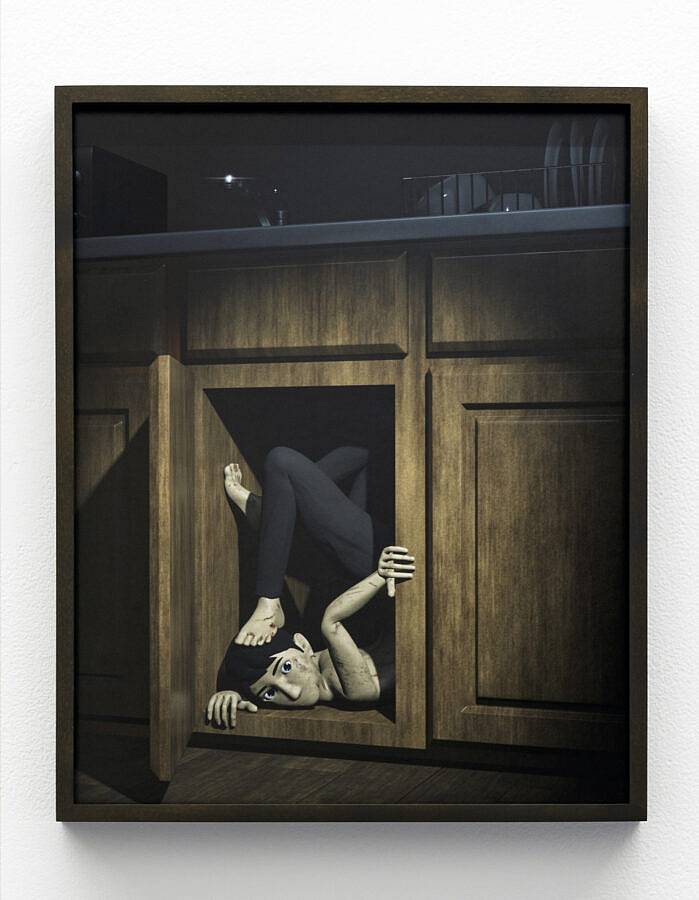
Following that experience, I decided to make New York my base, where I’ve been living and working since 2021. I work with 3D computer graphics to create videos and images. Driven by existential questions about the relationship between the self and the external world, my practice often navigates tensions such as desire and death, intimacy and alienation, and embodiment and displacement, all through a queer and immigrant perspective. I create animation that is not plot-driven; instead, I approach it as a form of performance, manipulating puppet-like characters within carefully constructed virtual environments.
Through theatrical staging, cinematic tropes, and spoken words, I build atmospheric scenes charged with psychological depth. I am interested in forms of storytelling that unfold through mood, presence, and affect, inviting viewers into emotionally resonant spaces rather than following a traditional narrative progression.
What is influencing your work right now?
I often find myself revisiting a specific constellation of creative forms, including slow cinema, theater of the absurd, and poetic prose that blurs the line between autobiography and fiction. My visual and auditory language was initially shaped by early exposures to Japanese anime and experimental music videos from the 1990s and 2000s. When I relocated to New York, I brought with me a collection of Taiwanese literature and poetry that I have cherished since my undergraduate years in Taipei. These foundational elements consistently inform my artistic vocabulary and shape how I process my relationship with the external world.
Simultaneously, my current practice is deeply fueled by everyday lived experience, particularly the nuances of navigating a different culture. I love taking long walks—whether through the streets of New York City, in places I travel, or during my return visits to Taipei. Moving through these urban landscapes often sparks inspiration for image compositions or narrative fragments, serving as a catalyst for personal memories. I’m also always watching films and trying to catch theater performances whenever I can.
Is there a moment you look back on as being formative to your identity as an artist?
I don’t know if it was a definitive formative moment for my identity as an artist, but these days, when explaining my process of making animated videos, I often refer back to the make-believe games I loved to play as a child. I used to collect different kinds of tokens to serve as characters, utilizing either toys or everyday objects to construct worlds and stages for them to inhabit.
Do you begin a piece with a mental image, a composition plan, a mood, atmosphere, or a state of mind that you want to evoke?
In a way, the initial stage of my process feels a lot like the make-believe games I played as a child. It starts with an intuitive impulse to build a virtual world or a ‘stage’ within the 3D space, and then I place puppet-like characters inside it. Often, the core ideas begin to form through the act of making itself. At the same time, the visual compositions are continuously informed by a personal archive of source materials—snapshots of daily encounters on the street, museum visits, screenshots from films or the internet, quick drawings on scrap paper, and written descriptions of visuals and sounds in my notes. During the production stage, I constantly move between this virtual theater setting and my archive, weaving these collected impressions into the atmospheric scenes I develop.
How has your work evolved over time?
My work is deeply derived from my personal lived experience, though it is never merely autobiographical. By making work, I’ve come to understand the underlying themes that connect to my core being, allowing me to confront some of the existential questions I carry. The work rarely offers definitive answers; instead, it serves as a conceptual companionship through the unknown. Over time, my practice has evolved through a playful engagement with form—experimenting with different cinematic genres, incorporating my own writing and appropriating found texts. Ultimately, each project serves as a compass for the next. This ongoing navigation is always spontaneous, intriguing, and deeply exciting to me.
Your work often touches on the dyadic relationship between embodiment and displacement: of place, of people, of life itself. How do you think your work operates in different spaces, whether that be New York, Taipei, and so on?
I first encountered 3D computer animation during my studies in Taipei, so in a way, the medium found me. I was instantly drawn to the absolute malleability it offers in cinematic world-building. A 3D virtual environment is inherently a weightless, void-like space of displacement. Yet, by building these theater stages and manipulating puppet-like characters within this vacuum, my creative process becomes a radical attempt to perform embodiment. At its core, my work explores the human condition—universal feelings of loneliness, displacement, desire, and loss. Although these themes are filtered through my personal lens as a Taiwanese immigrant and a gay man, audiences from any background can resonate with the work through a visceral, sensory alignment with the atmospheric states I cultivate.
For instance, in my work Night Stroll, the puppet-like protagonist sings the classic Chinese love song Ye Lai Xiang (“Fragrance of the Night”). I intentionally chose not to include subtitles for this segment. I believe that even without linguistic comprehension, the melody of the song, the textures of Mandarin phonetics, and the cinematic mise-en-scène I created can invite audiences to project their own interior archives onto the screen. That transcendent emotional connection is precisely what my work aims to achieve in any given space.
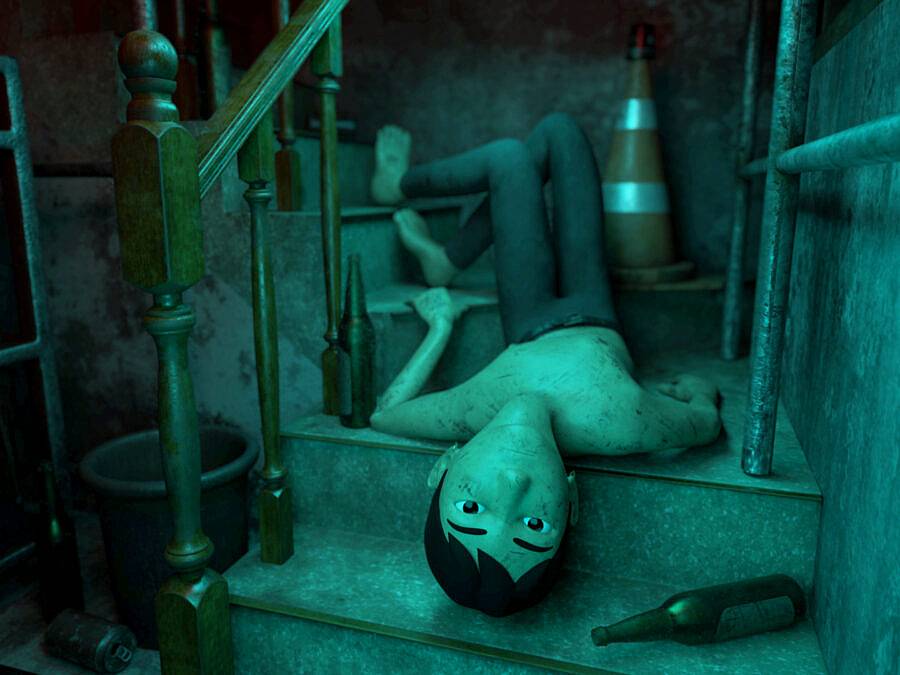
Terror and eros are always coupled together in your work. How do you see your relationship with each concept and their relationship to each other?
In Julia Kristeva’s Powers of Horror, the concept of abjection delineates the fragile, collapsing boundary between the self and the other—a threshold where terror and eros are inextricably bound. As a queer individual and an immigrant, this dissolution is not just a theoretical interest; it is a lived reality. I constantly experience both affects concurrently. I am fascinated by this psychological tension where terror and eros exist as two sides of the same coin—a push-and-pull dynamic between seduction and repulsion. This dual energy is precisely what I look to capture in my work. Psychoanalysis has therefore become a vital lens that guides my visual composition, helping me structure the cinematic atmospheres and theatrical staging in my animations to evoke that uncanny tension.
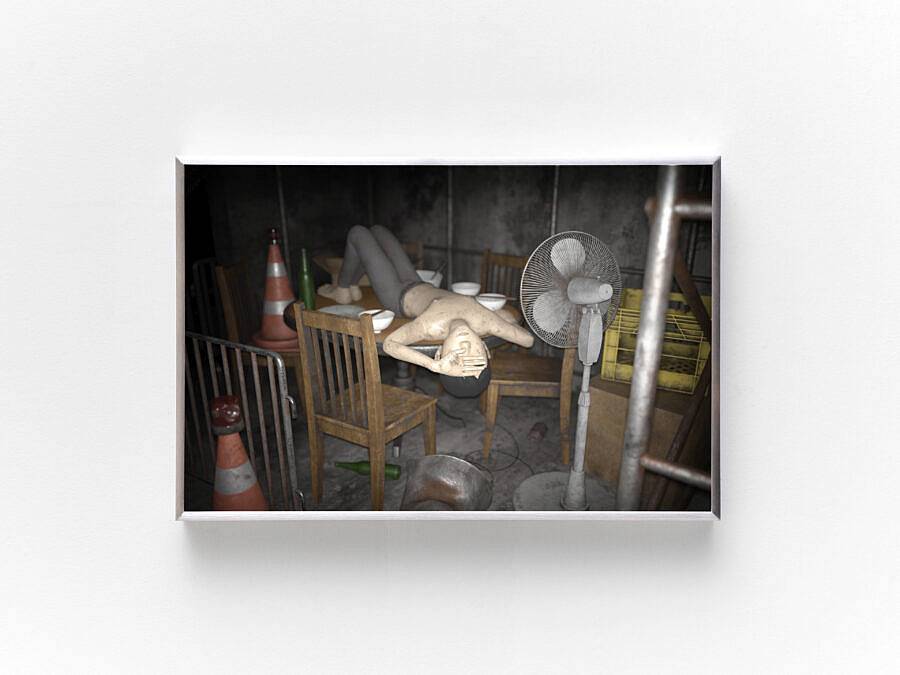
What is your studio or workspace like? Do you have rituals to settle into the space?
Much like my nomadic creative path, my workspace often depends on where I happen to be. It could be a temporary studio space from a fellowship, a seat during transits between destinations, or a park bench where I sit and think. But above all, I find myself most grounded working from home. It is where I have seamless access to my archives, notes, and the tea and food I keep close. Making animation is a long, intensive process, so I need my working environment to feel comfortable and intimate. If there is any ritual necessary to settle into the space, it is always making a pot of tea to gently ease into the creative process.
Are there any areas, techniques, or materials that you’re interested in exploring further in your work?
Recently, I have been deeply drawn to traditional Japanese performance arts like Bunraku and Noh, particularly their reliance on stylized body gestures for storytelling.
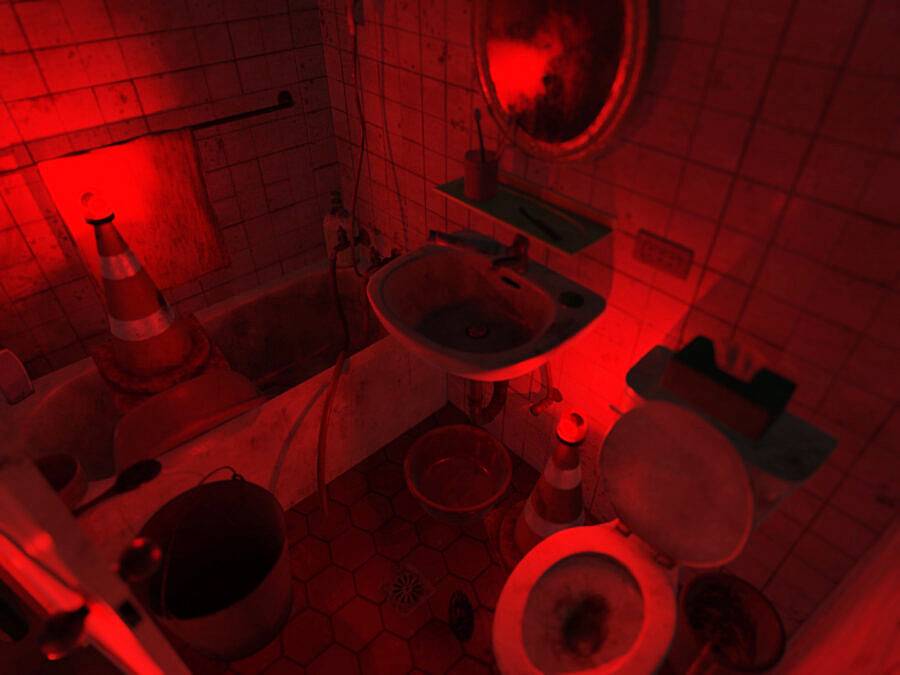
Could you share some recent, current, or upcoming projects you’re working on?
In Night Stroll, I interwove the cinematic languages of East Asian ghost films and musicals, whereas in my previous project, Endearing Insanity, I experimented with the audiovisual tropes of horror and erotica. Currently, I am working on a new animation featuring the same protagonist. In this upcoming piece, I plan to incorporate the atmospheric and stylistic forms of film noir, using them to explore the layered complexities of the gaze and the concept of the counterfeit.
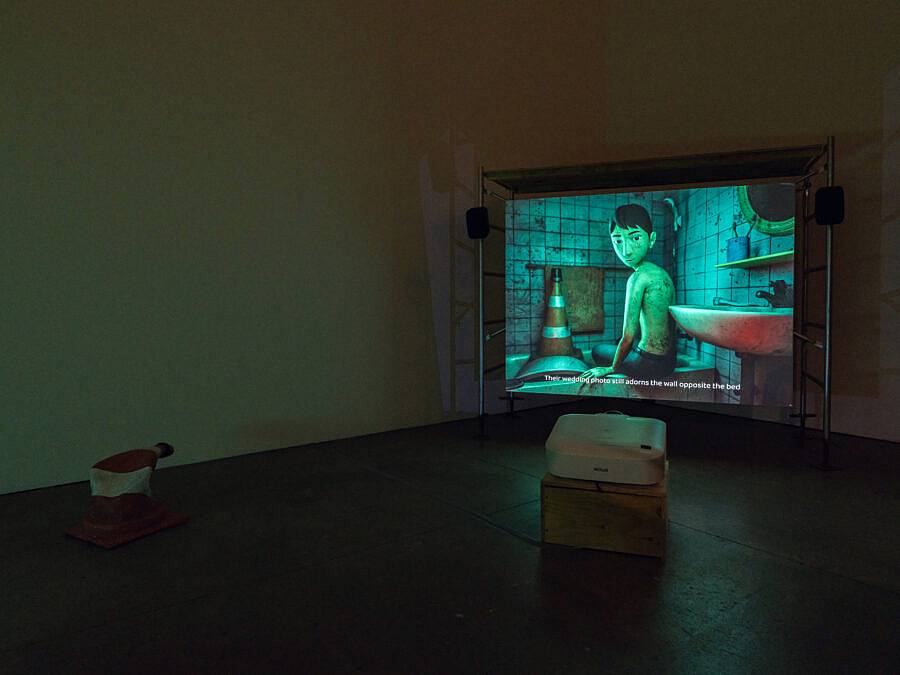
Interview by Seth Nguyen.