Tell us a little bit about yourself and what you do.
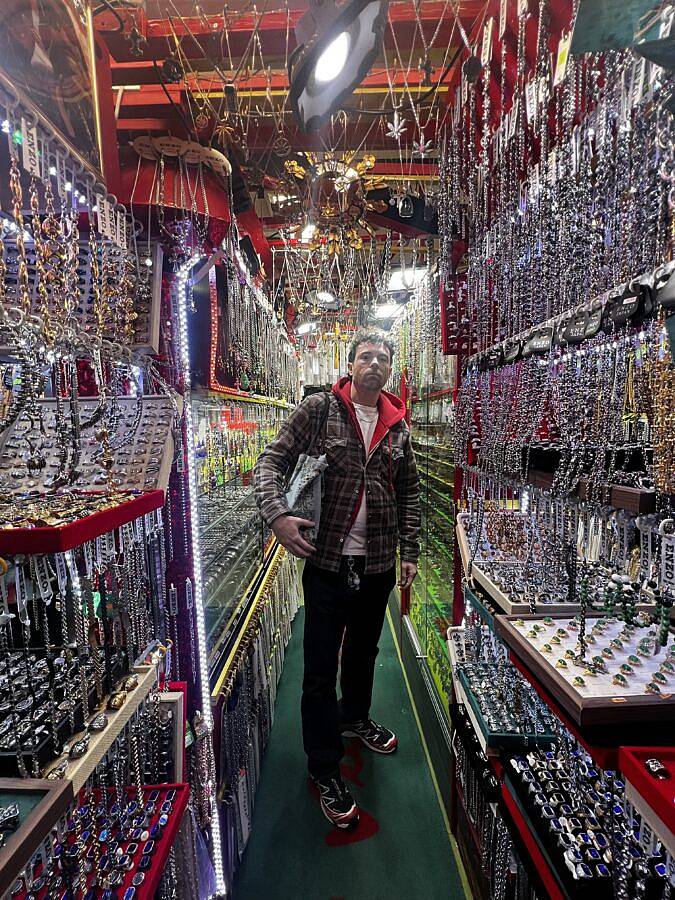
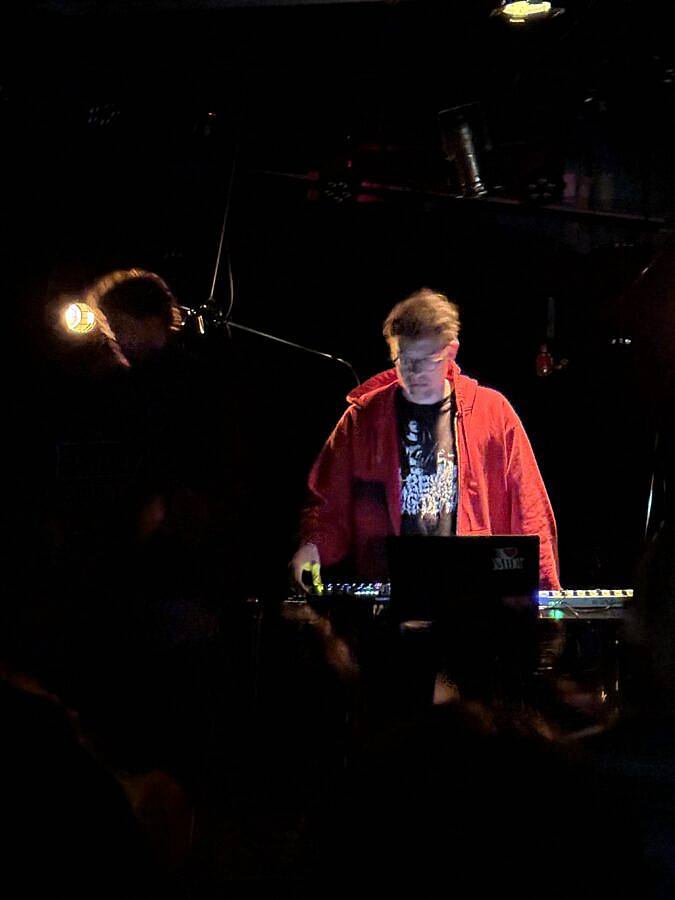
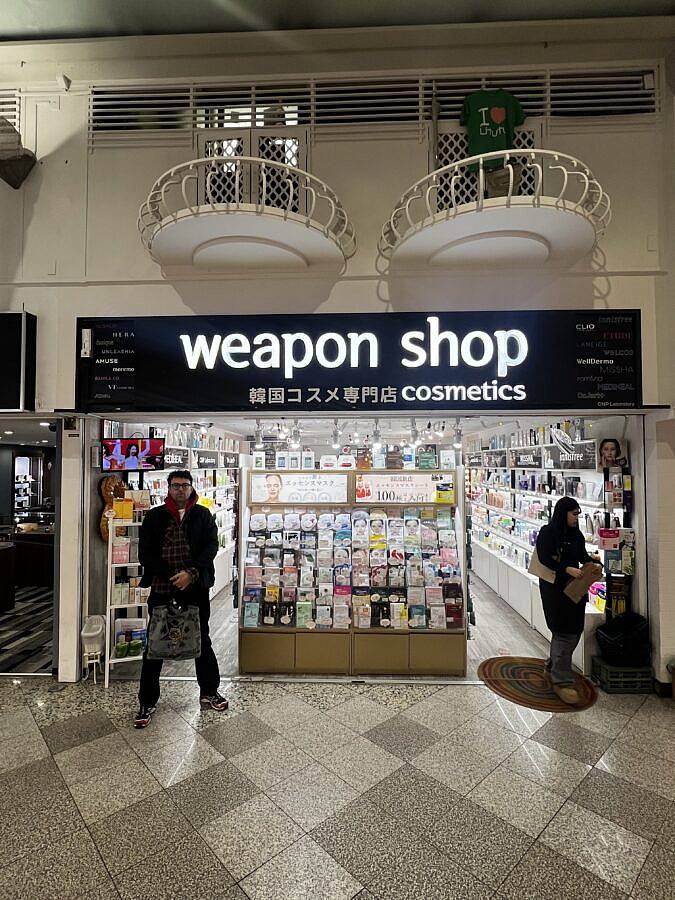
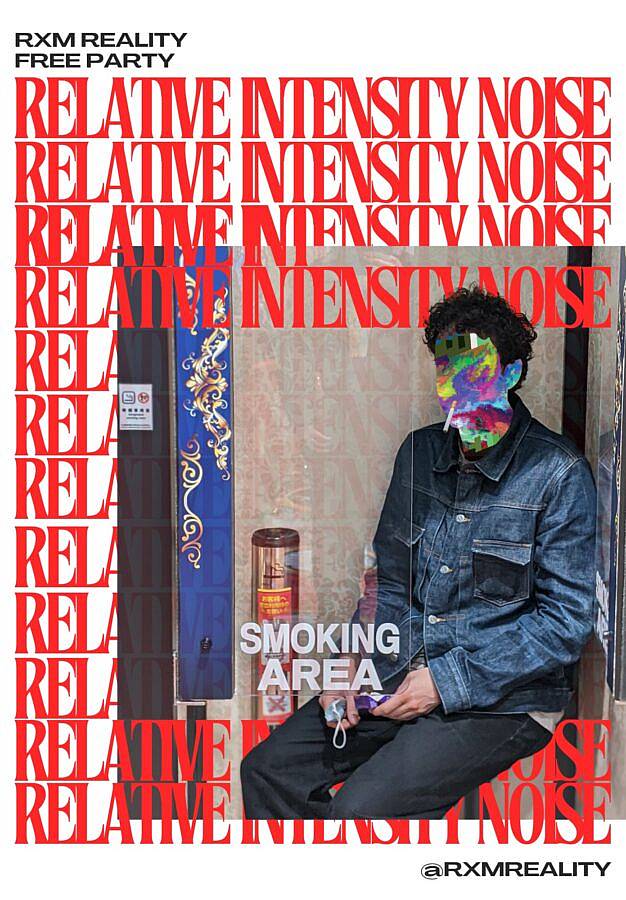
I make experimental electronic music under the monikers RXM Reality and When 2. RXM Reality is pretty intense. Recently I played in Tokyo which was incredible.
I’m also working on a video game soundtrack that I can’t say the name yet, but that’s been super fun and a great opportunity for me to explore other styles of music and production.
How long have you been making music?
I started playing guitar in like 2006. I slowly started plugging weird stuff that wasn’t my guitar into a loop pedal in 2009 which slowly evolved into electronic music.
When was the last time you found inspiration in an unexpected place or at an unexpected time?
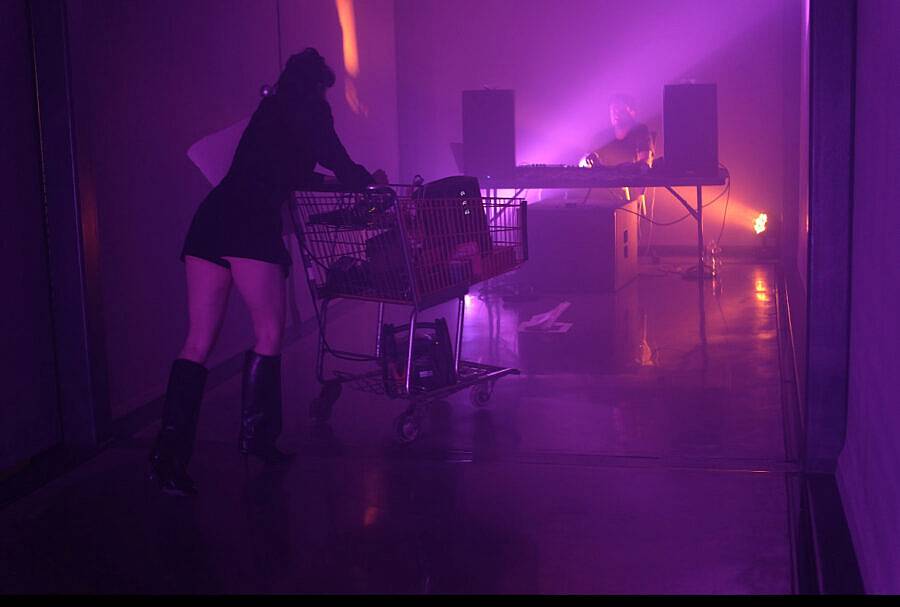
I found so much inspiration from performing Relative Intensity Noise at the Momentary in Bentonville, Arkansas. This was two duration six-hour performances taking place in the museum. All of the other interdisciplinary artists were incredible. I really appreciate Rin Peisert for including me in this experience. YouTube. I also like Hollywood movie trailers. Lots of big and scary booms. Recently I had the opportunity to work on the sound design and composition for Rough House Puppets’ Exquisite Corpse horror show. This was amazing and stretched me far into the theater world. I have absolutely been using those newly learned techniques and even some of the audio from the show in my music.
Do you have a creative comfort zone?
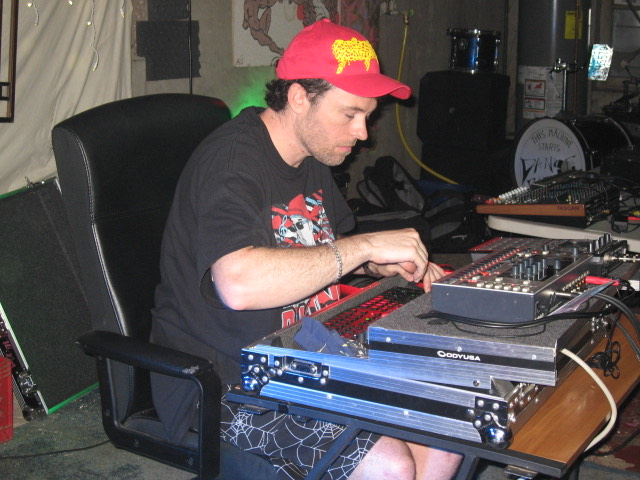
Definitely creating things on my trusty Elektron Digitakt 2. It’s my favorite drum machine and sampler. Being in my comfort zone is not ideal though. I’ve been in a slight creative rut as far as my own recorded music, but making soundtracks and working in the theater world has informed a lot. I love the music I am currently performing live, but I haven’t been able to figure out a satisfying way to record it.
How important is experimentation in your work?
Experimentation is absolutely at the core of everything that I do. It’s the basis of my entire creative process.
Do you have a typical process for conceptualizing?
I generally just need to jump right into the production process. This is how I finalize ideas. For my own music, any initial concept generally changes after I start working on it.
Is there such a thing as failure in art making?
Yes. But I’m pretty critical of my own stuff. There’s always more to learn, but I think I learn more from “successes” rather than failure.
How do you know when a work is finished?
I rush to finish things. I could probably stand to do more polishing, but when something is done it generally comes out. There are lots of unfinished ideas, songs, and recordings that fill up the majority of my hard drive.
How often do you work? Is it better to be diligently consistent in your practice, keep regular hours, or better to work only when you feel most inspired?
I generally do work on something like 4–5 days out of the week. Sometimes every day. I do think being consistent is pretty important for me.
What kind of vibe do you like to have going on in your studio while you’re working? Do you like to hang out where you work, or do you like to maintain your studio space for work and work only?
I have a studio situation and it is pretty chaotic and messy. Only music making happens in there, but some cleaning should happen too. There’s all sorts of memorabilia from past shows and projects. Some posters. I have a big poster of the cover for Blackboard Jungle Dub by Lee Scratch Perry and the Upsetters.
When you are working, do you consider where the work might end up or how it might function in someone else’s life?
Unfortunately, that plays a big part in my creative process and I don’t think that’s for the best all of the time. I am not a great judge of how it may function in someone’s life, but I do always work towards a finished release or performance. I would like to focus less on where it ends up.
What do you want someone to walk away with after experiencing your work?
I want them to say “fuck”. “That was crazy”.
What is it like living and working in Chicago?
It’s the only thing I know. I’ve lived heavily nested within the DIY music scene for 15 years. I used to live in performance venues where we had huge parties and shows every week. Chicago is where I’ve had the most opportunities to perform and work on other projects. I’ve seen the scenes ebb and flow. The scene I was a part of when I was younger was not based upon any style or genre. I think stuff became a little bit more uniform around like 2016. Rock bands played with rock bands, techno with techno, punk with punk. I think that kind of sucked when that happened. Lately, I have been more excited about the Chicago music scene than I ever have. There are younger people pushing boundaries and people realizing that Chicago has the best stuff. My younger friends have been very gracious to put me on bills for their parties that end up being in the biggest crowds I’ve ever performed in front of. This has definitely shaped the style of music I’ve been making to be in a more rhythmic driving style that’s hopefully exciting live.
What was the last show you saw that stuck out to you?
Los Thuthanaka at the Empty Bottle was incredible. They tap in and do something deep and unexplainable. My good friend Sjod and I got to perform in Yuda Onsen in Japan at a venue called Organs Melody. The artist Toiret Status played an incredible set. All of the Japanese artists we played with were incredibly innovative and forward-thinking. They were all on the next level.
Where do you find new music?
Shows mostly and Bandcamp. I’m not the best at listening to recorded music lately for some reason.
What do you listen to in the morning?
YouTube and podcasts.
What are some recent, upcoming, or current projects you are working on?
This video game OST is gonna be sick! I wish I could say more about it, but I’m not allowed to at the moment.
Interview by Paul Fitzpatrick