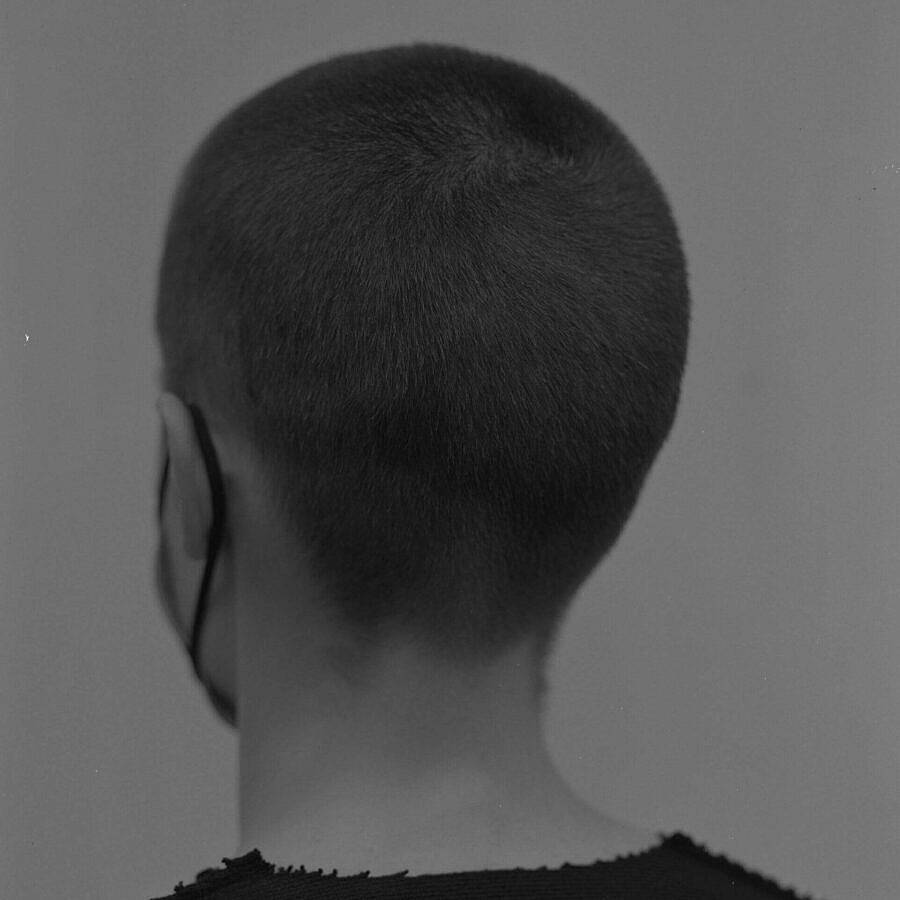
Tell us a little bit about who you are and what you do.
I am a Chilean immigrant, an esoteric effluvium in the shape of a body, a molecule obsessed travo, and an eternal student of atmospherics.
My work straddles conceptual art, experimental olfactory education, and scent editions that expand access into odorous worlds.
What is it like working and living in Chicago?
It’s like being in a serious relationship with a large body of water that modulates the spirit of everything. I think she (Ininwewi-gichigami) deeply regulates us, spellbinds us, and mediates the orientation towards communality that shapes the Chicago art milieu.
How did you become interested in fragrance?
I really wanted to find the smallest unit of matter that could most potently express the complexities of an entropic whole—a minuscule, yet perceivable fragment of this violently networked, post-apocalyptic world. A unit of matter that could produce the highest degree of intimacy, of affective attunement, from the invisible, and from within the body. Odorant molecules achieve that.
What do you want to see more of in contemporary art?
I want to see more work that is gestural, non-objectual, low-res, low to the ground, infinitesimal, sensorial, windswept, trampled, precarious, and impossible to catalog.
Tell us about the Speculative Scent Lab — what precipitated its founding? Has there been any lessons learned as the atelier has grown?
The lab was born from a desire to offer emergent methods of olfactory study and creation as a way to engage with proliferating crisis.
I’ve learned that there’s many brilliant interdisciplinary thinkers working on similar peripheries, desiring for fragrance worlds to carry the weight of their own dark material histories and be deployed in ways that transcend convention and commerciality. In a way, I think scent is sensing us back reciprocally, calling us into these forms of cross-pollinated engagement.
Who are the artists/creatives/musicians that you have been inspired by lately?
Lately I have been moved by Oscar Santillán’s material reconfigurations, Noa Micaela Fields’ echodeviant conjurings, Daniela Catrileo’s water sutures, Mikaela Drullard Márquez’s troublings of identitarian fixity, and Six Sex’s bitch universe.
Who would you like to collaborate with ideally?
I would love to create an eco-queer chem lab with Rian Ciela Hammond and Jorge Díaz Fuentes. Synthesize some new odors, hormones, and interspecies grammars.
Tell us more about your project We Got Spirit. What role does the social imaginary play in your work?
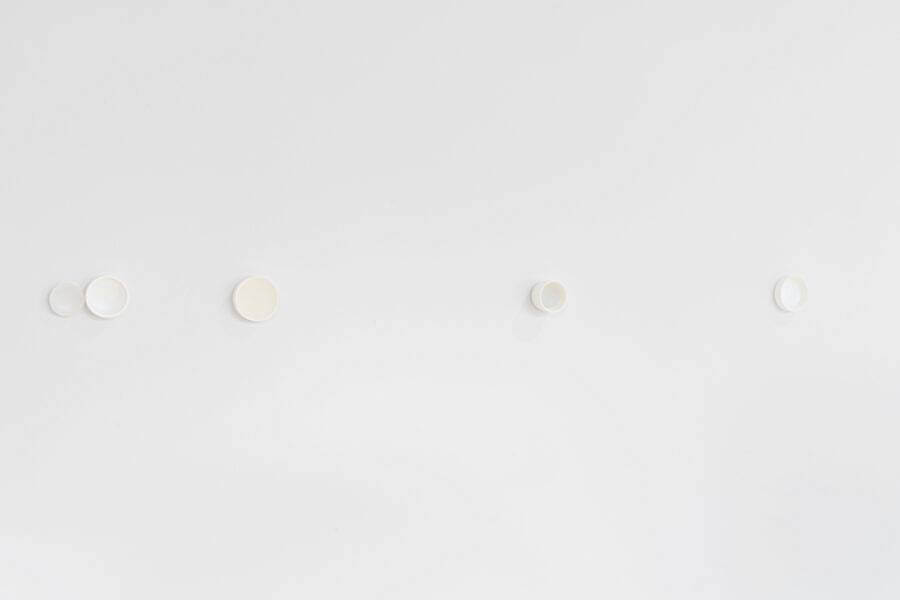
We Got Spirit, made collaboratively with Gray Wielebinski and Manuka Honey, is a multisensory unsettling of petroculture and gendered choreographies rooted in the Texan landscape. Its first iteration was a performance at Somerset House in London and it now lives as a book and artist edition produced by Dean’s Bottom that expands upon these offerings.
I would say that the social imaginary in my work transcends the human. It animates objects as haunted vessels, material vestiges of extractivism, as biotic cemeteries and portals of deep time. It vivifies our entanglements across differential valuations of life/non-life, uniting us through toxicological domains.
What is one of the bigger challenges you and other artists are struggling with these days and how do you see it developing?
I think the art world has congealed into a shape that siphons resource to a select few who (for the most part) adapt to its market parameters while leaving the vast majority of us in material precarity. The art world rewards formulaic, commerce friendly work that can be endlessly produced rather than supporting processual, unarchivable, unproductive, relational, fermenting work that actually works towards generating fissures in operative orders. We need material support and time freedom to re-enliven art’s generative potential to create open fields and proliferate new worlds—outside of calcified institutional structures.
Can you share a reaction to your work that has lingered with you?
I love when people tell me that they have a newly felt sense of their porosity, or have been inoculated by scent as a medium of witnessing the world. That’s the very edge of affectation I strive for.
What are you really excited about right now?
I’m excited about language that seeps, categories that blur as they’re infected by nuance, and about play as method becoming more prominent as a tool of disruption, resignification, and rewilding.
What do you collect?
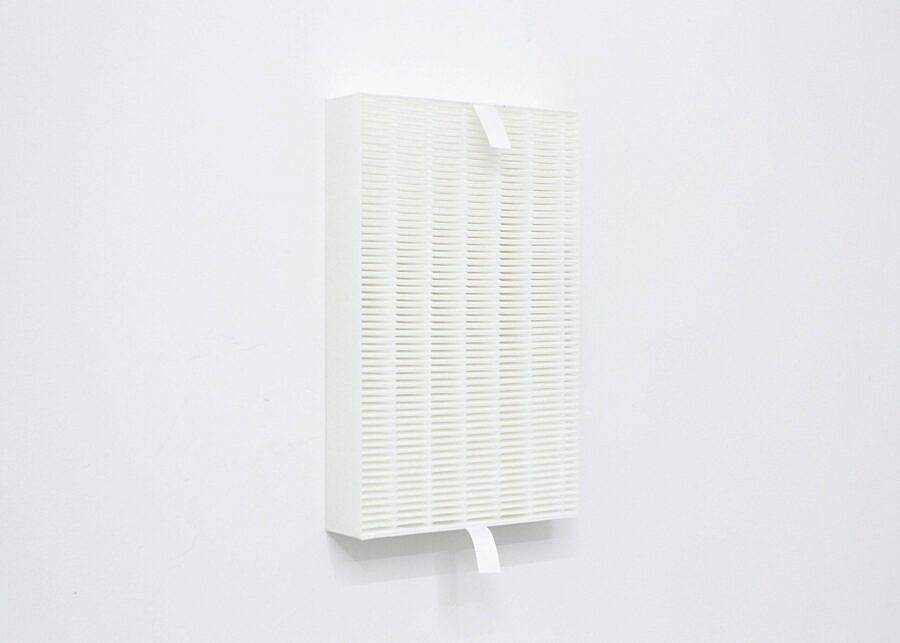
Aroma chemicals, Comme des Garçons blazers, and air filters.
Interviewed by Seth Nguyen. Artist portrait by José Taymani.