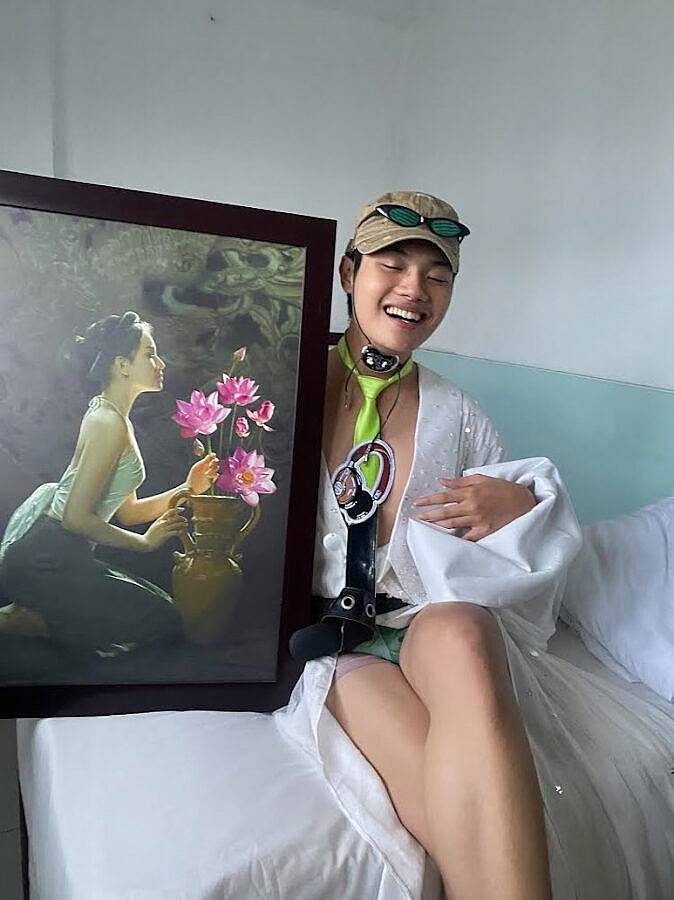
Tell us a little bit about yourself and what you do.
Hello, I’m Đức. I’m a chill person from Vietnam and my work centers around queer freedom a lot. I love to make art as a way to cleanse myself from societal limitations. You can hear a lot of darkness, doomedness in my art but my core is love and softness.
What is it like working and living in Hanoi?
Right now in Hanoi, it’s getting better with my own initiative, hanoi bedroom shows. I’m maintaining autonomy and a non-territorial stance with my art, and neutralising the gatekeeper-coded atmosphere I’ve been experiencing with the local art scene here. I thought about hanoi bedroom shows after a karaoke with Ly Trang and Aprxel where I asked them, “should I open a record label here in Vietnam?” You can read about our first season [of programming] here.
In so-called third-world countries in particular, or in any part of the world, the amount of overworkers that devote themselves to a culture of hedonism is crazy. I’m not the person to laugh it off. I guess it’s everyone’s mission to push themselves further against a version of a world where everyone’s too scared to act first and act good.
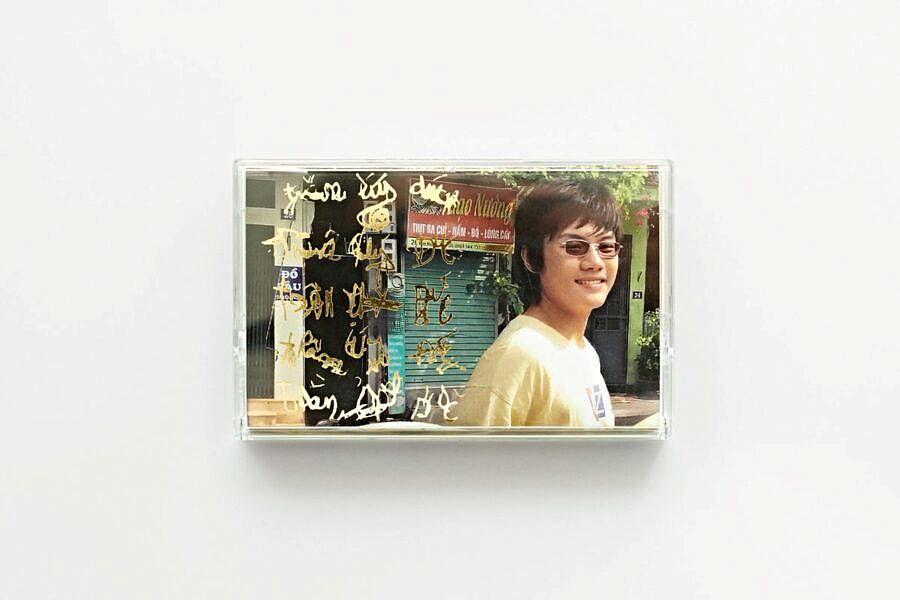
how to know™, your latest release, includes recordings of a đờn ca tài tử ensemble that was invited by Arlette Quỳnh-Anh Trần, a Saigon-based artist. Tell us more about this track: how did this collaboration come about, and how did you approach creating the track?
Arlette is a charming artist and also a go-hard in her practices. She discovered my live album and asked to use my song “Spring” for her film Linh Giám Tàng Thư (‘the curator ghost’). We then met at my ex-school, where she was a new lecturer and I was a student there. That is when she proposed to me to make a soundtrack fully of my own vision, with materials recorded with the don ca tai tu ensemble.
Arlette is an impossible lady. She’s the only artist I know who could sensualise and emancipate histo-political strains in Vietnam. I guess we wear the same pink lens for intense things, but she’s more geological. She knows. I’m more into the emotional stuff. I’m more like… how to know?
Who would you ideally like to collaborate with, and what makes a good collaborator?
I would like to make an album joined by Six Sex.
A good collaborator for me understands that creation should be driven with naivety and discipline. Six Sex checks those boxes for me. Her silly lyricism is protected with mainstream-aiming videos that bounce in and out on male gaze.
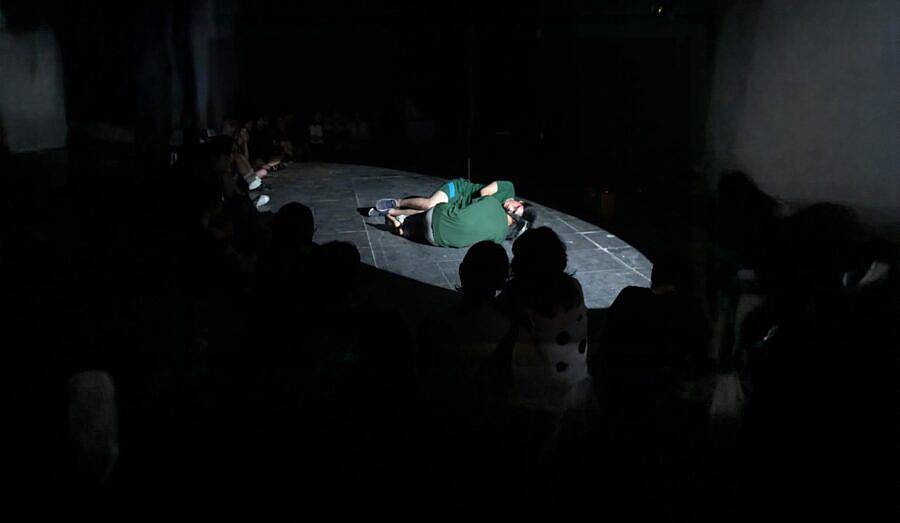
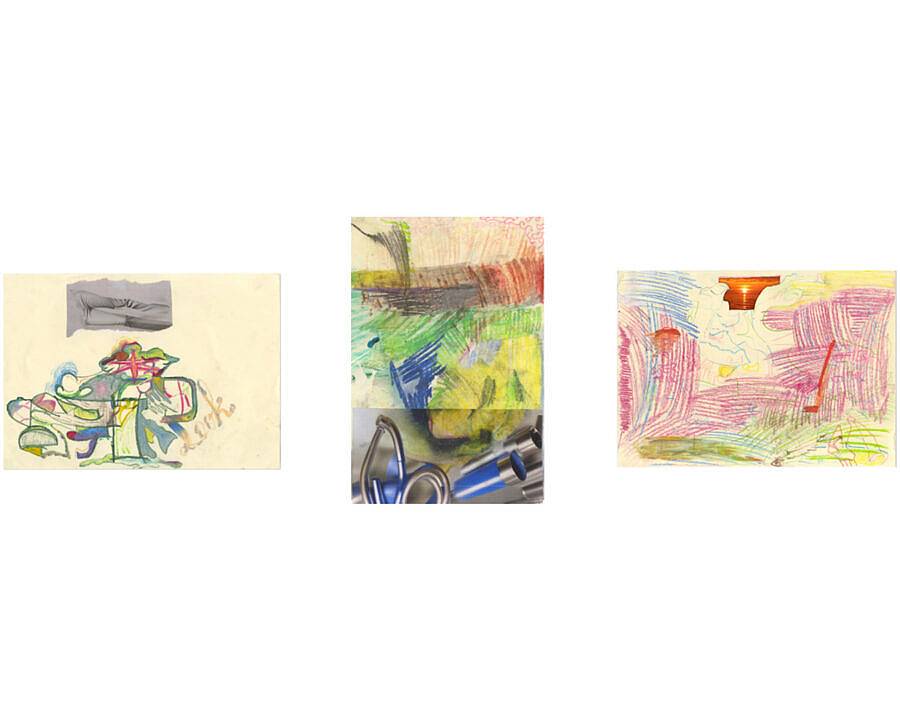
Your work spans a variety of media, including film, music, poetry, performance, and paintings. How do these practices intersect with and differ from one another (i.e. do you find yourself thinking through and exploring different ideas based on the medium you are working with, or do these practices cohere into some theme or thesis)?
I think integral creating is something that all artists (of my age) should be getting into. You listen to music while drawing, and you can also make music while looking/thinking about an image. The same applies to filming. I started filming because my family asked me to do so to document the best memories for our trips, and when my mom kept deleting the bad videos and images, I felt some irritation but also realizations about storing and deleting. I was like, if the good ones are my mother’s fantasy, then I’m gonna save the bad ones to annoy her later.
I discovered that bad ones are the ones that reflect reality. Since then, I have had this obsession with juggling between the good ones and the bad ones, mostly to justify the bad ones, and compiling them the way people compile family photo-albums.
In your opinion, what are some of the biggest challenges you face as a multimedia artist, and how do you see that changing?
Challenge 1. It’s hard to get trusted. Out here in the art scene, people need to know what you’re doing. Where’s the pride in not knowing what you’re doing at all?
Challenge 2. They listen and they judge. White boxes love you, but leave you dry. Your presence threatens the blandness of their rosters. Social media saws you into pieces. They either understand you as a musician or a graphic designer.
Recently, I learnt about the term “video artist.” I think it’s the best term so far if I ever have to categorise myself. I like to be seen as an artist walking out from my own videos.
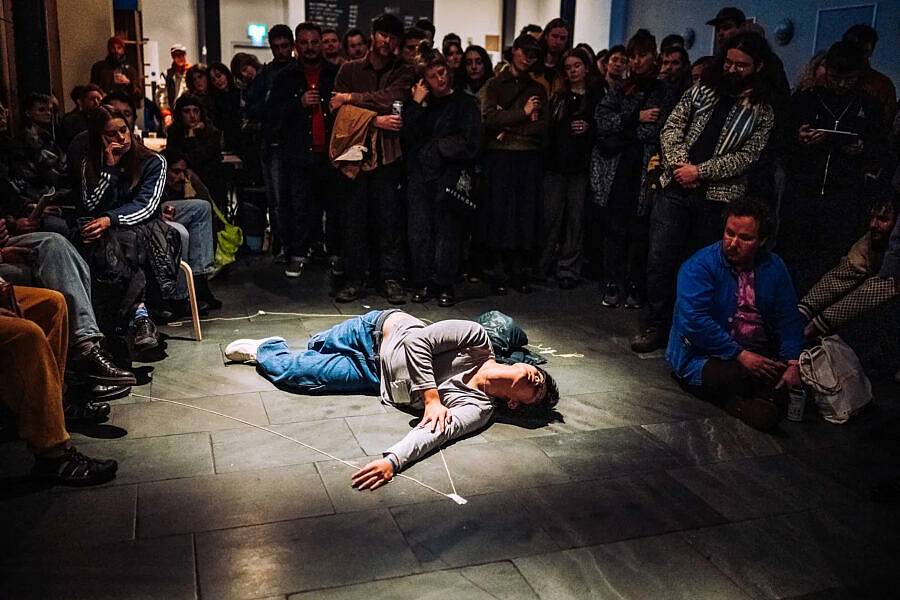
What is the most honest sound you can think of?
Trumpets of all types, Vinahouse, winds of all weathers and places.
Why Vinahouse?
Someone told me Vinahouse is actually slut-pop. I also heard Mica Levi attended a Vinahouse party in 2014. I would love to work with Vinahouse producers because they have a great ear for mixing. That music is also very much associated with a wave of fake China-imported luxuries in Vietnam.
Who do you think is making important work right now?
My boyfriend hihi.
I stopped working on my most ambitious album because he’s already where the empire is at. I’m not gonna tell his name here.
Are there any areas that you are interested in exploring further in your work?
Somatic therapy and (good) photography.
Can you share a reaction to your work that lingers with you?
In 2024, I showed my music video Catwalk to a group of residents staying in the same season with me in Italy [at Fabrica, an art residency program outside of Treviso]. That was my first time showing images of Hanoi in the West. Everyone was laughing and light during and after the screening. I was quite confused. I thought Catwalk would be kind of a heavy experience for anyone.
Then a guy came to me showing me videos of Ryan Trecartin and more videos of surreal video artists. We both laughed watching the video. I realized that great art, even when coming from heaviness, didn’t have to be associated with its weight all the time.
Interviewed by Seth Nguyen.