Tell us a little bit about yourself and what you do?
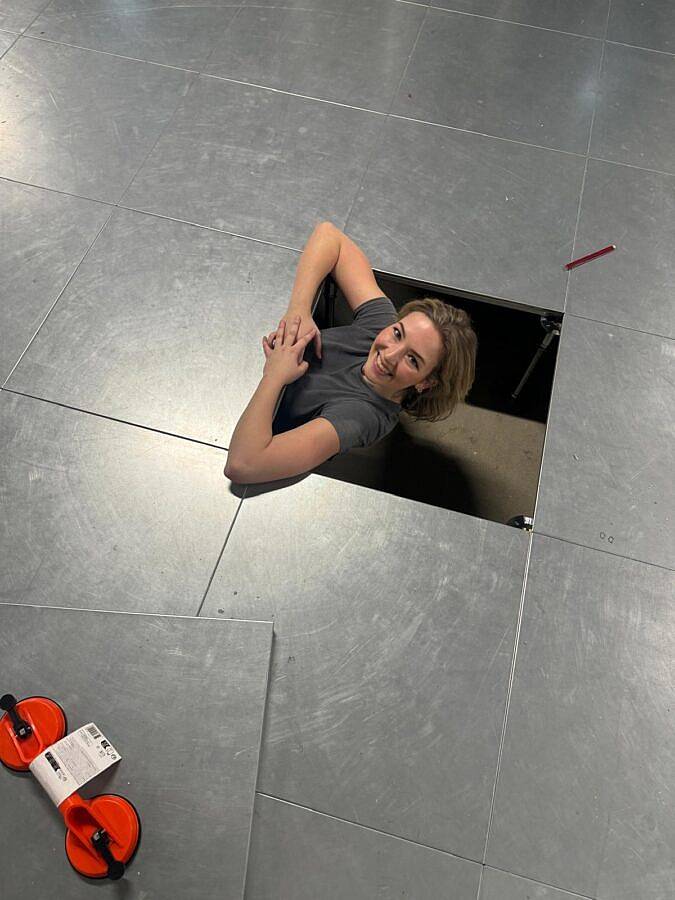
I’m an artist from the West Midlands of England, I currently live and work in London. After moving to the city to study at The Slade School of Fine Art, I graduated with the class of 2024. My practice considers space as a scenario that incorporates and holds the latent activity of the space. Reframing these spaces in an artistic context makes visible the conditions within exhibition making, expectations of an art space and the customary orientation of the body in these spaces.
How do you see your work evolving in the spaces it’s shown in?
More often than not my work is entirely related to the space it’s within. This means the work is consistently evolving in the space. I love an exhibition with a substantial installation period, this means I can play with the exhibition space, I can try things and change them, its improvisation, it’s the most exciting point for me in creating work. Consistently I will propose an idea to a curator and the final show will have evolved from that initial plan significantly. I’ll admit, sometimes the idea is too ambitious for the space but the fun is in the collaboration to make something work within the parameters set by the space, this is just the nature of my practice.
What influences do you think play an essential role in your work?
I read a lot, and plenty of writings have influenced my work. The Intangibilities of Form by John Roberts and Situation edited by Claire Doherty are texts I consistently go back to. I keep a sketchbook for these influences to go into. Also other contemporary artists, the art scene right now is producing some incredible shows that push my own practice conceptually and visually because I want my work to be as affecting, as accessible.
Do you differentiate your practice when working in different mediums? Does something like this even matter?
I know my work doesn’t use a consistent medium, say like a ceramic artist or a painter etc. The list of materials I have used over my works is long, some more clearly definable than others but the medium is important and it does differentiate my works. At least in my mind, the mediums I choose to work with are carefully selected to align with my idea for that specific work or show, but the work can evolve through the use of that medium. In Hard-Water for instance, using the irrigation system and especially the use of water as the medium changed the work during the installation, unsurprisingly working with such an organic and unruly medium came with challenges. That show was touch and go for a moment and I suppose that made it more satisfying as a result. Because of that installation, the work became inextricably linked to that life giving infrastructure, one that in Britain is privately owned and billed.
Do you find a lot of your work to be historically referential?
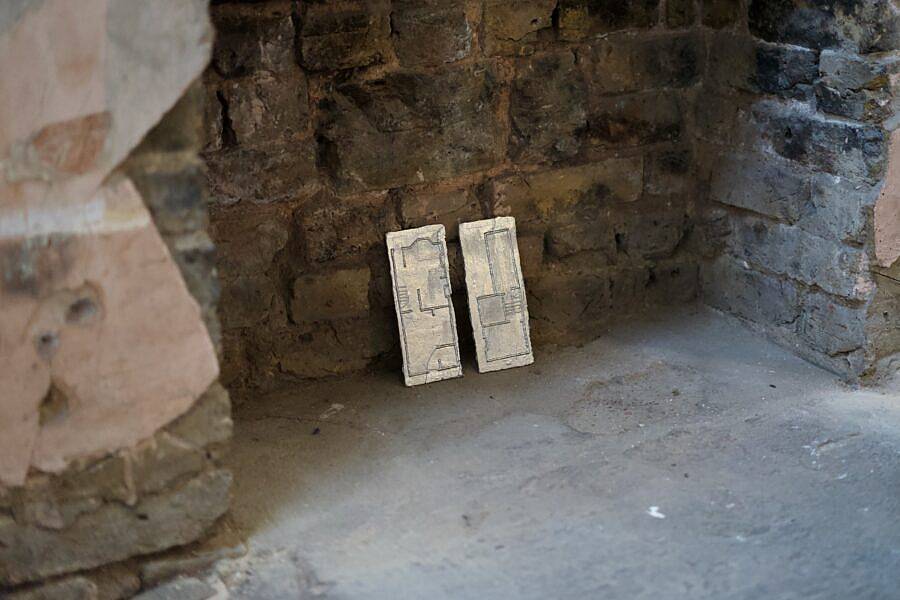
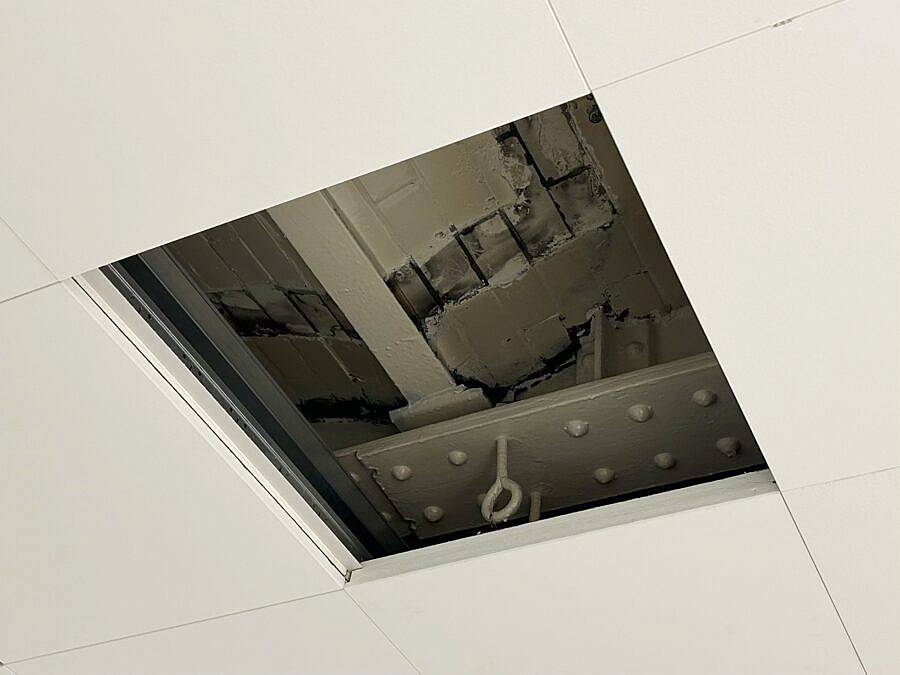
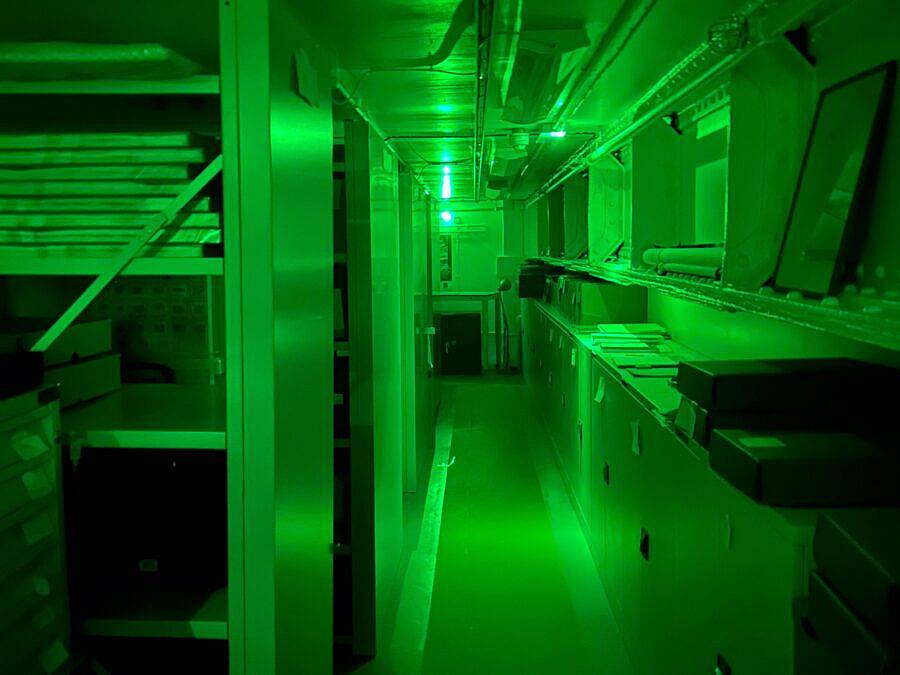
Some of the work is more esoteric in this way than others. When the history or legacy of the area or space of the exhibition has motivated the concept of the work. Flowers in the Most Unpromising Soil, connected the exhibition space on the third floor with a famous club venue on the first floor and commented on the decline in live music venues and what that meant for community connection. The Archive (I and II) was another example of the historical importance of site as the concept to the work, through a subtle act of civil disobedience, where I broke into the Slade School and their archive after hours, I wanted to explore the nature of the archive especially the significance of who has access to historicity.
Do you think of space and architecture when making your work, or is it more so conceived in its own private setting?
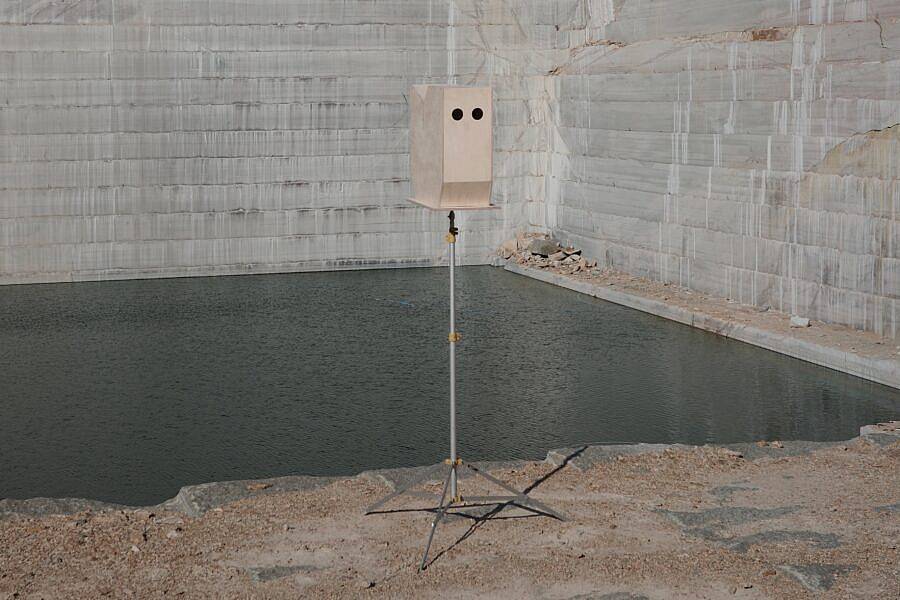
This is the other main animating force behind my practice in combination with the historical and it is my exploration of the expectations of the viewer, artist, curator etc. within the action of exhibition making. Clatter on a Wire, Groundworks, Gestalt (I,II,III), Panel 071107 and The Sentinel (1-2 and 3) are all works that I have used to explore architectural appropriation and performativity of art making.
What would you consider a common motif in your work?
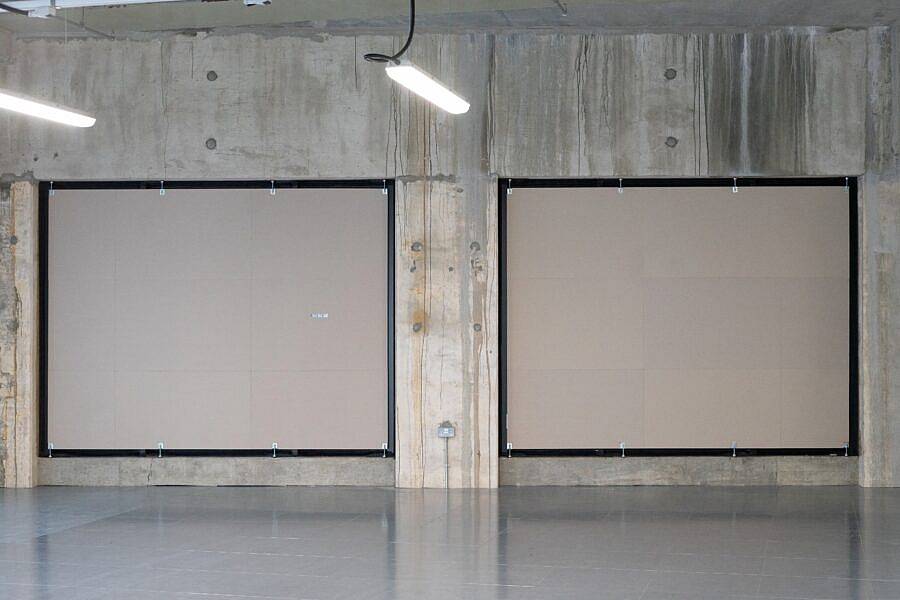
I am constantly looking at the viewer’s connection to environment. My work may not come across as incredibly personal, my inspiration isn’t lived experiences in a way another artist’s work might be a memory or loved one, but the common motif of playing with space in the context of the art world is personal—the post industrial spaces I grew up in. I was surrounded by empty factories, shops, warehouses, social infrastructures that were once commonplace now, dramatically changed. Friends and I would inhabit these abandoned spaces but as I grew I became interested in the social precarity of these spaces and the affecting nature they have, in amplifying collective experience. The more I was drawn to art making my interest in spaces meant an interest with the gallery itself, the exhibition space, where art was being displayed, access to this and the expectations one has for it.
What was the last show you saw that stuck out to you?
I loved Brianna Leatherbury at Brunnette Coleman with Survival Bias.
Do you have any rituals when entering the studio?
I always have a cup of tea on my desk.
What is something that you’ve always wanted to do and are working towards achieving?
Absolutely, further residencies. This last summer I got to work with the 149art Project on STRATA, a site specific exhibition. This was such an incredible experience I am definitely working on being involved with further residencies. Again the collaboration and exchange on these projects is what excites me.
Interview edited by Paul Fitzpatrick