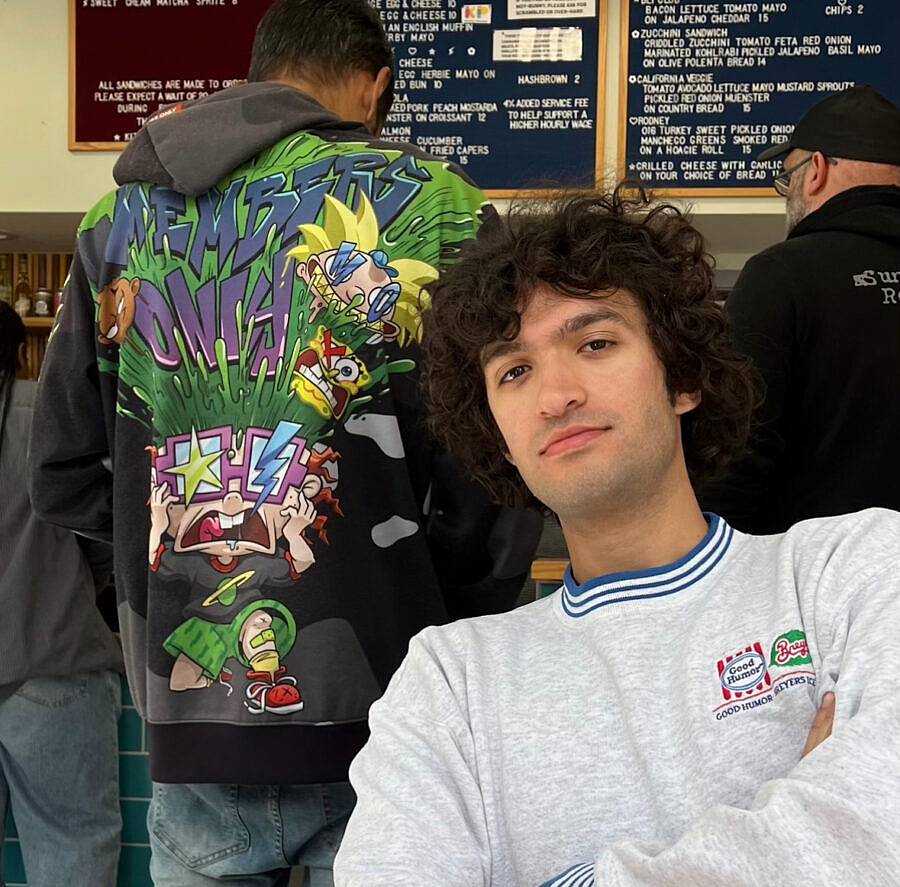
Tell us a little bit about yourself and what you do.
My name is pronounced like Yeet and/or Yeat. I was born and raised in Istanbul as the only child of two national team athletes. I moved to the US in 2015 to pursue basketball and lived in four different states until ending up in Chicago and quitting the sport in 2019. I studied architectural engineering in school and work as a mechanical engineer. I’ve been making graphite drawings since 2022.
Can you talk about the importance of graphite in your work?
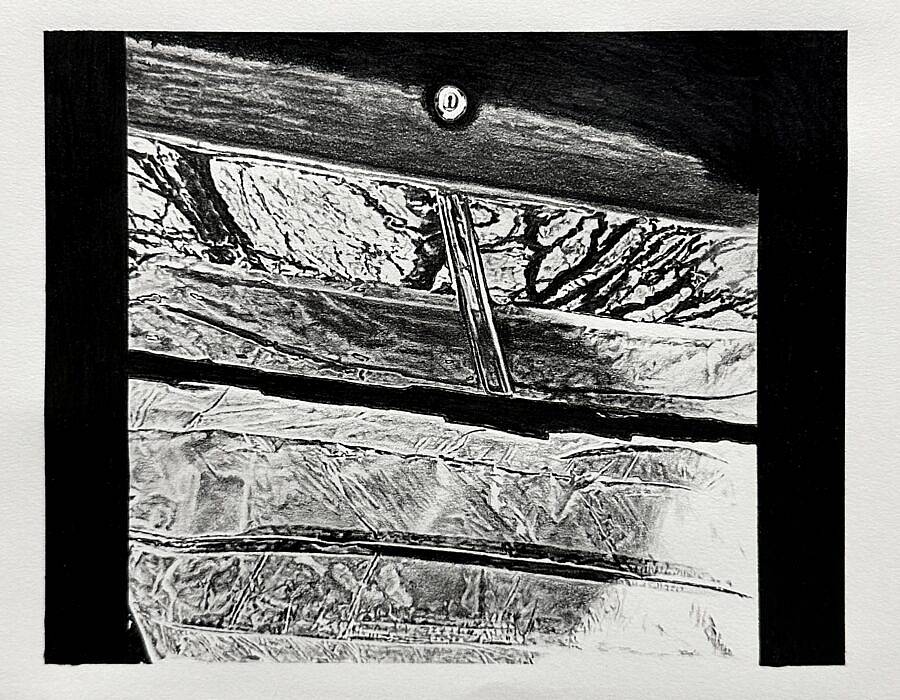
My use of graphite started with wanting to learn value and build some muscle memory before eventually moving on to painting. I didn’t realize, though, how much the material had to offer, and I don’t see myself moving on from it anytime soon–at least when it comes to pictorial work. Using the same graphite pencils on the same type of paper at similar sizes forces me to find new ways to generate ideas within such consistent parameters.
How do you source your reference material? What are your thoughts on image appropriation?
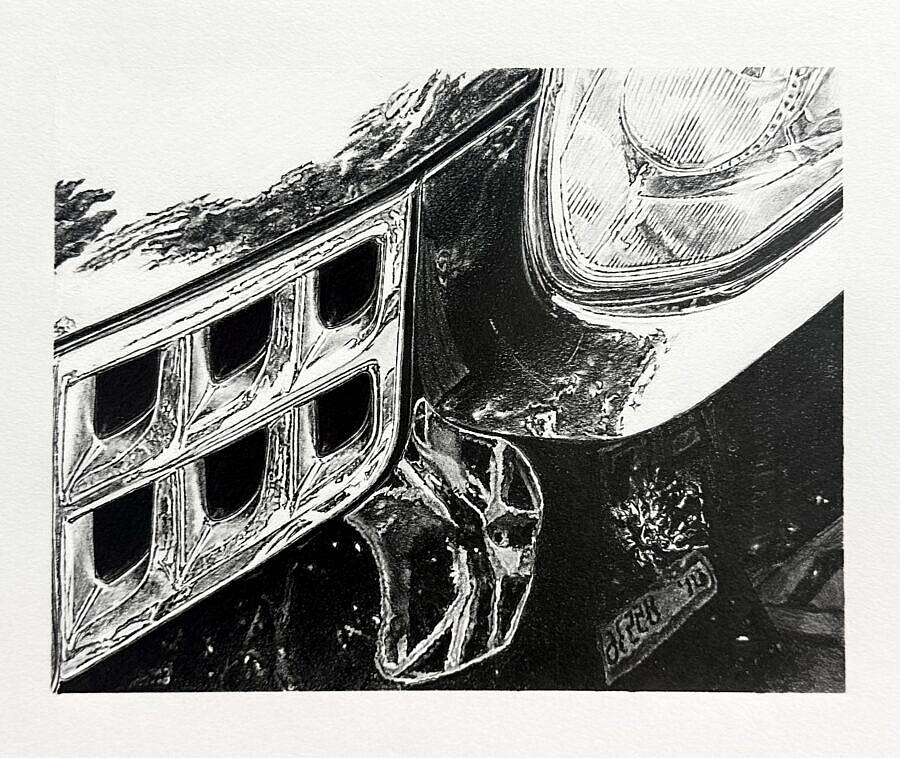
I source my images through instinctive snapshots. I never compose the initial photo but take my time later cropping and reorienting. I’m specific and selective about whether a photo becomes a drawing, since there are always so many others lined up that could be made instead.
Sometimes I draw from a photo I took years ago, trusting it held my interest for a reason (most don’t survive). Recently, I’ve shifted my approach to favor an abstract entry to images that remain representational in both source and process. I’ve slowly developed a visual language revolving around cars, even though I try to steer away from its classifiability as “car drawings”.
Image appropriation, like any other way of sourcing material, works when it works and doesn’t when it doesn’t. It’s hard to generalize specific no-no’s or yes-yeses. I can’t say I’ve never been disappointed to find out what I’m looking at–and reading that an image was born out of rigorous research doesn’t make it look any better.
Why do you think it’s so important to distinguish realistic drawing and painting from photography?
I partly see the process of making a carefully rendered drawing as a way to remove a photograph from its state of reproduction and to gain some control over the circumstances under which the original work will be seen. I also simply love the optical understanding of an image that is gained from translating it into material. It feels more personal than any other way of treating it.
Is there a specific process you go through when you first enter the studio?
Most of the time I’m there right after an eight-hour work day so whether I get right to drawing depends on how much energy I have at that point in the day. Before starting, I look at what I’m working on and make some loose decisions that turn into tighter ones while putting the pencil on paper. I always put on NTS while I draw.
What is your process conceptually? Does the image come first or the idea? Or neither?
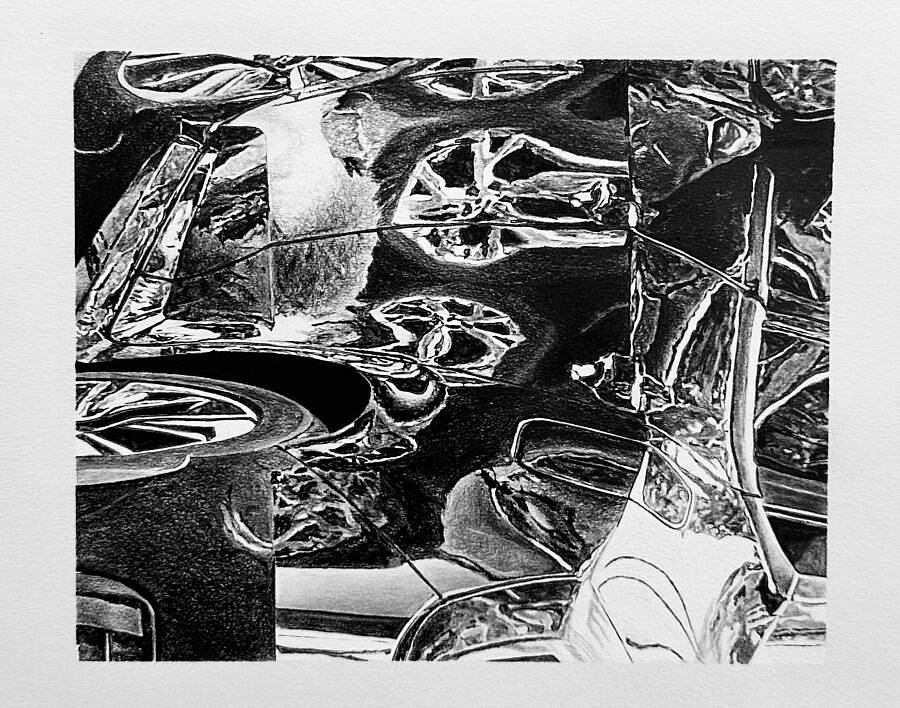
A lot of times, the image is the idea. I’m not one to reveal or definitively settle on my intentionality. Doing so can block the viewers–and even me, once the work feels distant–from having their own experience with it, and shifts the conversation to whether the intention comes through successfully or not. What musician wants to explain their songs while they play? That said, I won’t adamantly withhold the occasional small anecdote when asked.
Is there any source material you find extremely relevant to your practice right now?
I try to keep my practice free from any direct influence beyond the intangibles of my day-to-day surroundings.
Do you find a lot of your work to be historically referential?
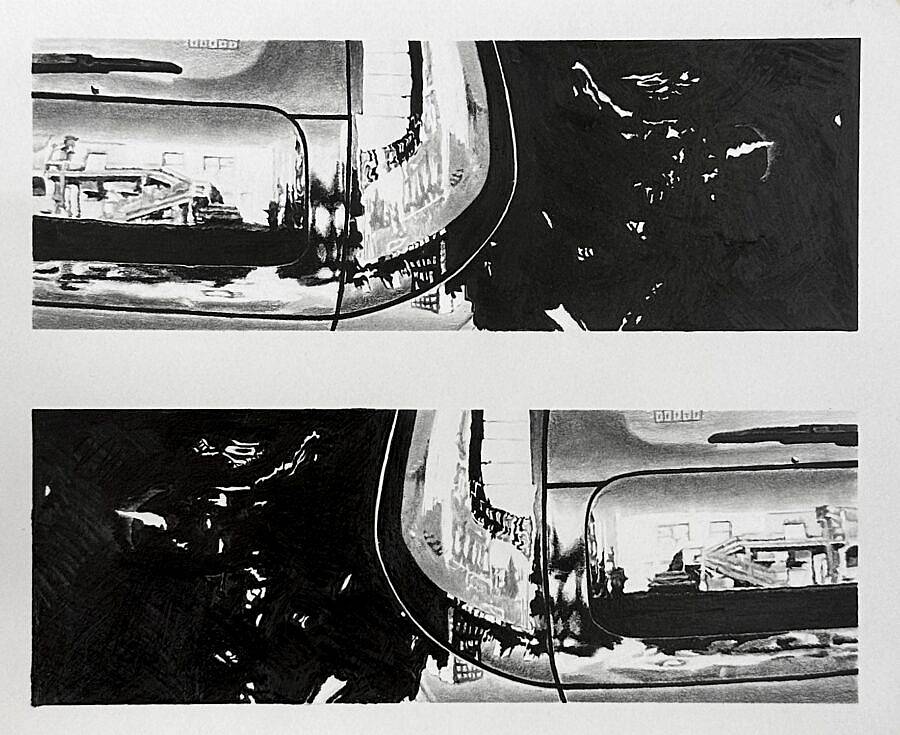
I wouldn’t say my work to date is explicitly historically referential, but inevitably aspects of my approach are. I appreciate the pushing of a subject as far as Susan Rothenberg’s horses or Jasper Johns’ flags, but I won’t try to predict how long I’ll stay committed to an uninterrupted sequentiality with cars as my subject.
Do you have any opinions on the amount of work being produced by artists in this current climate? How do you deal with this yourself?
I can’t speak comparatively about how much work is being made, but I can say it’s impossible to remain unaffected by the desensitizing circulation of its documentation. It’s no secret that most art will be seen on a screen far more often than in person, no matter where it’s shown, and this naturally influences the kinds of stuff people favor making. For me, committing to laborious work in the pictorial plane with this in mind requires putting my head down and simply doing what I do.
What was the last show you saw that stuck out to you?
Know @ Bodenrader
Is there anything you’re working on now that you’re particularly excited about?
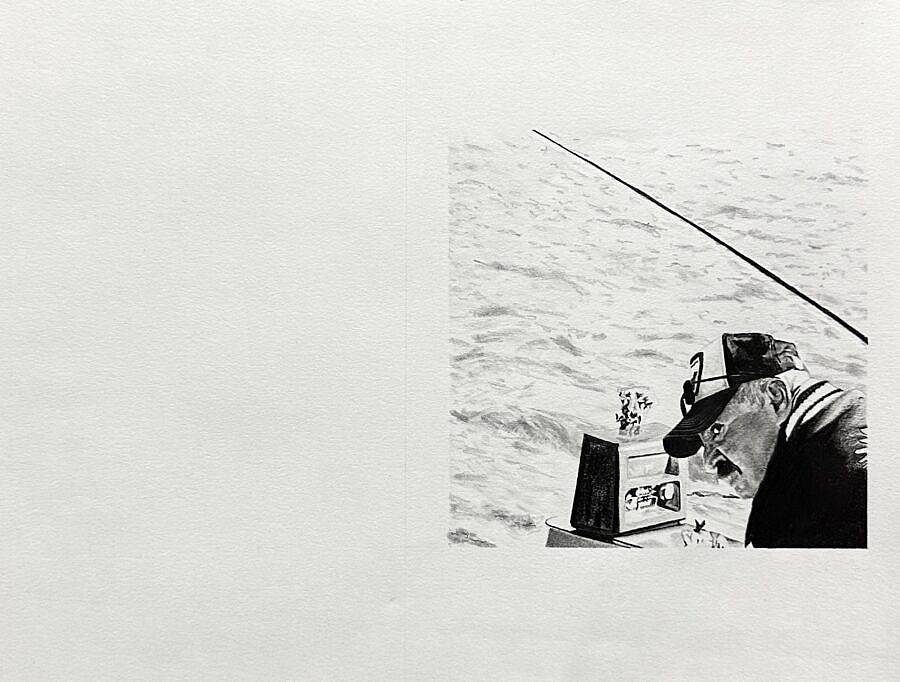
I had started working on a small book of side portraits using photos from a trip to Turkey I had at the end of last year. Lately, I’ve been interested in picking it back up as a side project.
Interview conducted and edited by Liam Owings