Tell us a little bit about yourself and what you do.
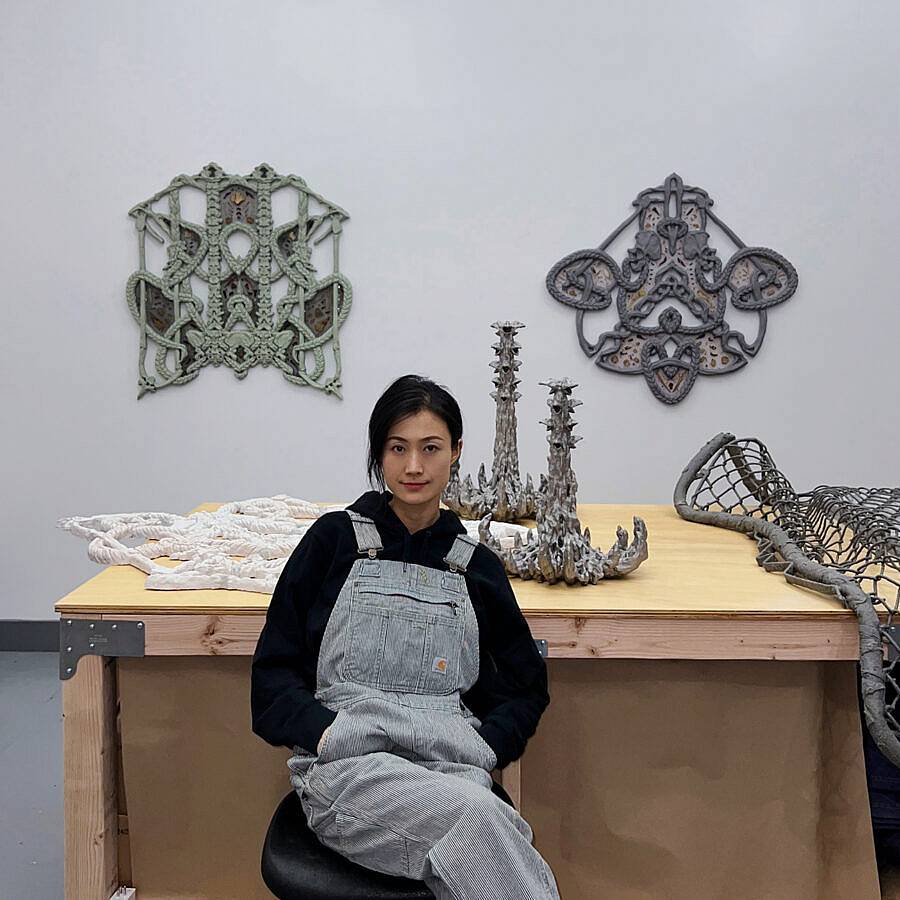
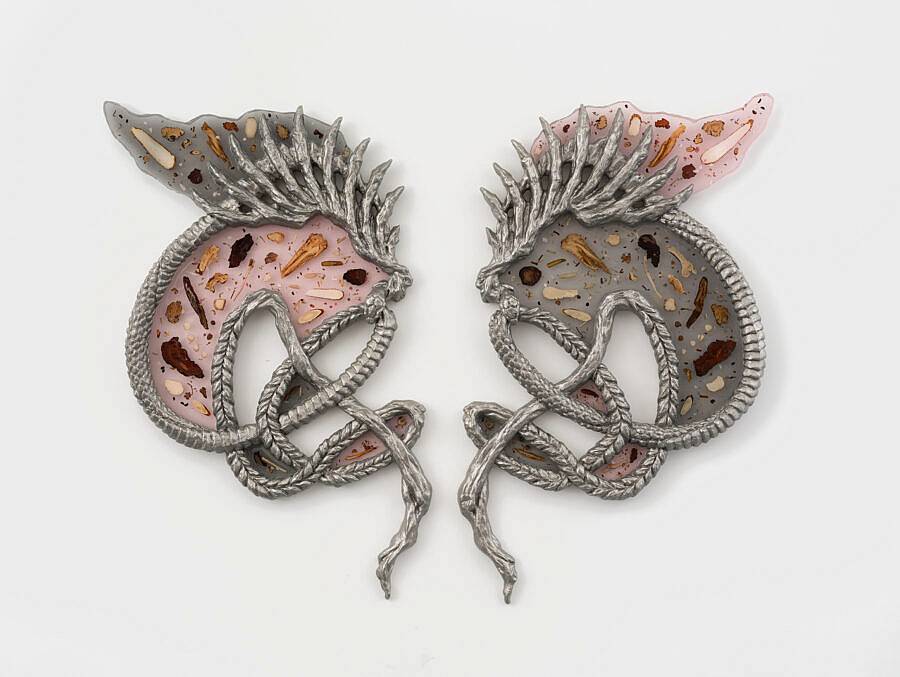
My work begins with questions of absence, loss, belonging, and estrangement. Coming to New York from a foreign land, I often respond to the objects and environments around me as a way of building a sense of security in an unfamiliar place. Recently, I’ve been incorporating Chinese herbal medicine into my practice. It has become both a material and a metaphor for healing, memory, and the ways pain is or isn’t articulable.
How do you consider materiality in your process?
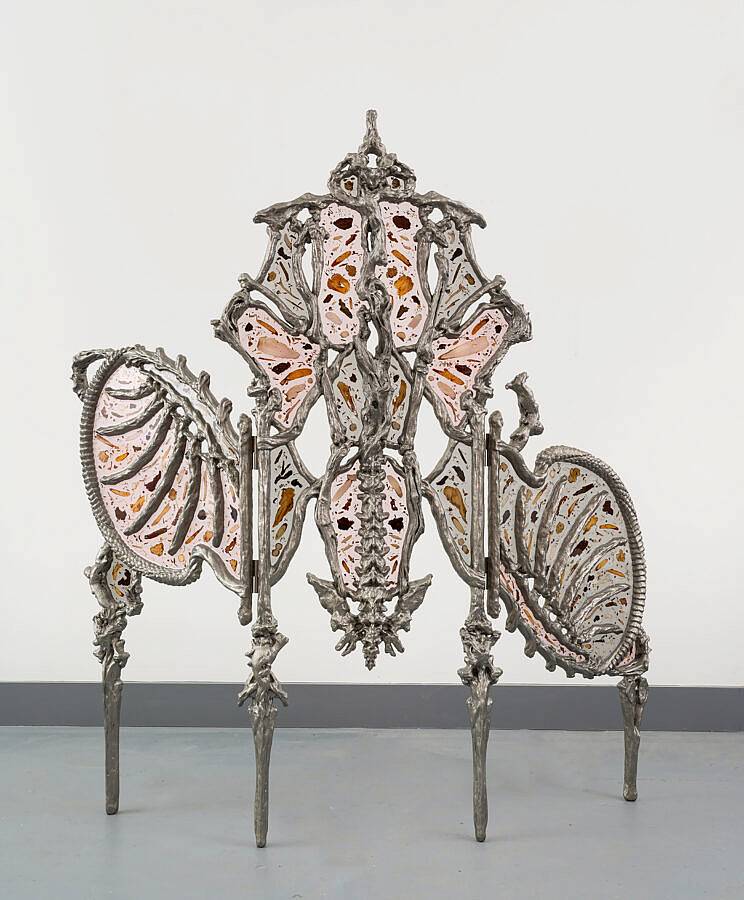
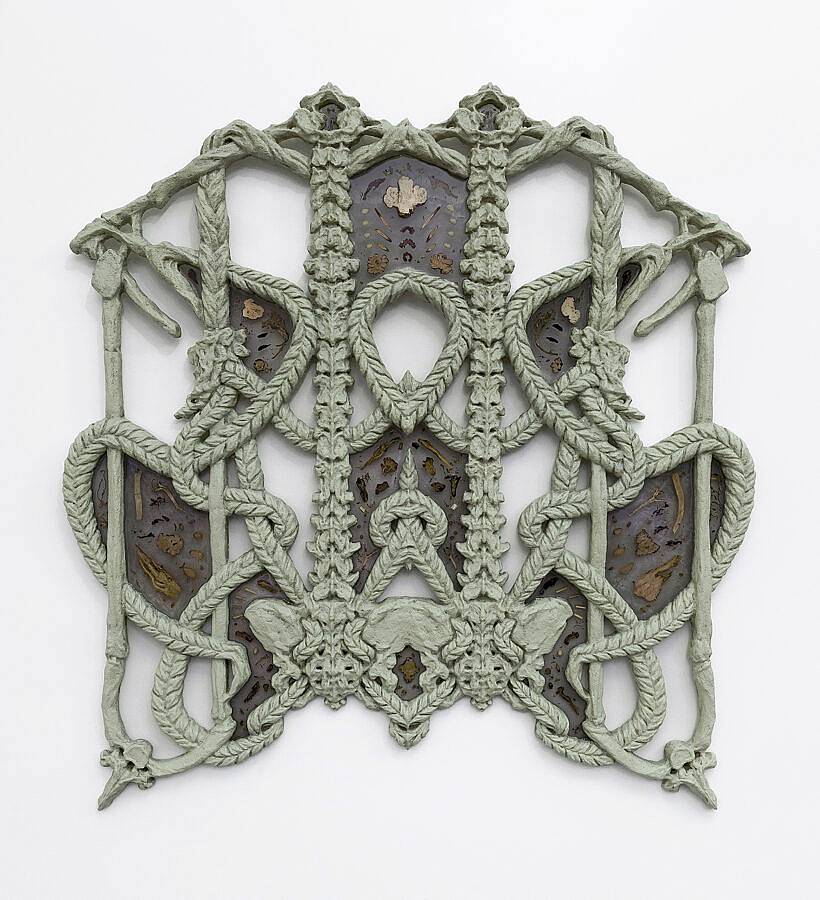
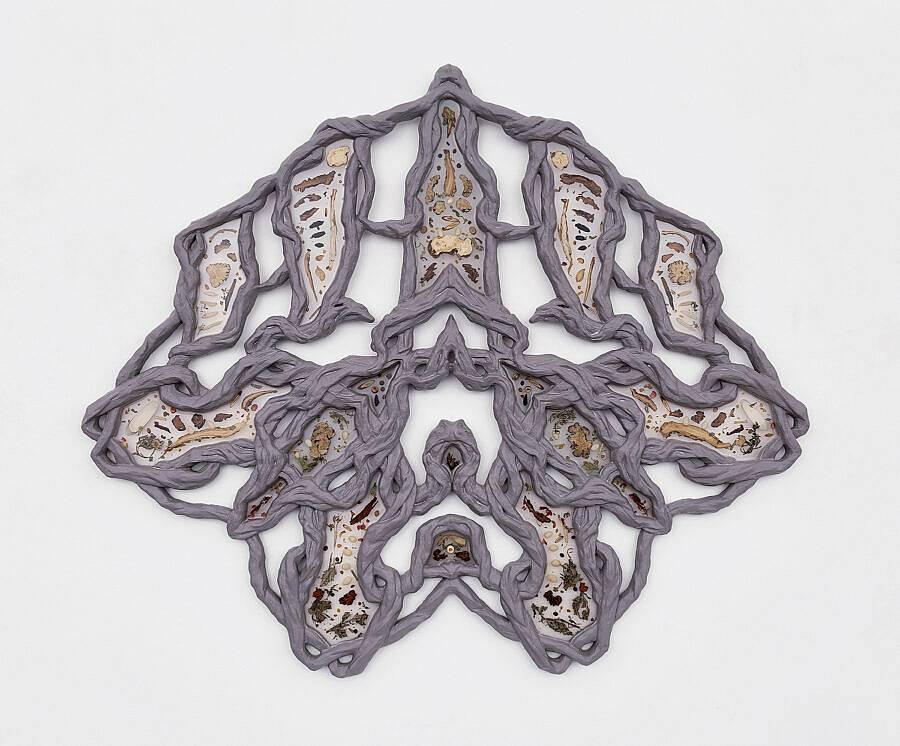
Material is inseparable from meaning for me. I sculpt in clay, make molds, cast, and refine the surfaces. The final step is arranging herbs inside the forms, almost like sealing a document. Resin preserves the memory of those materials while also allowing light to pass through, something that connects back to stained glass windows, which I see as devotional and protective forms.
Is there any source material you find extremely relevant to your practice right now?
Right now I’m drawn to Chinese herbal medicine, especially as it relates to healing, memory, and language. I was born after a year of my parents drinking herbal tonics, and after my father’s passing I returned to it as a form of healing. In Chinese medicine, diagnosis depends on how well symptoms are described, which raises questions: can pain be fully articulated? What is lost in translation? These questions became the seed for my series Inarticulate Trace.
Can you walk me through your process when entering the studio?
I usually start with clay, which lets me think through form with my hands. From there, I move into mold-making and casting. Once the form is stable, I refine and paint it, and then arrange the herbs. That last step always feels like a quiet ritual, transforming the sculpture into both a record and a container of memory.
Do your sculptures arrive through careful conceptualization or natural improvisation?
It’s a mix. Some pieces begin with a clear conceptual frame, while others shift through improvisation. The materials often lead me somewhere unexpected, so I try to stay open to those detours. I like to think of it as a dialogue between control and improvisation.
How do you consider space and architecture when exhibiting work? Do you consider it prior as well?
Yes, always. I think about how works filter or hold light, and how a body passes by them. I see my works as thresholds – objects that mediate light, sightlines, and movement. I often think about how they might create intimacy or permeability within a larger architectural setting, like a window or screen that both reveals and protects.
Do you think of your wall pieces differently than a piece that might command more space in a room?
Yes. My wall pieces feel closer to drawing. They’re more about gesture, rhythm, and trace. Freestanding works, on the other hand, become architectural: they enter into a fuller conversation with the body and the room; they occupy or channel space and shape how it’s divided and experienced.
How do you form a relationship with an object?
By living with it over time. Sculpting, casting, and refining can take months, and by then the work already feels like an extension of my body. When I finally embed the herbs, it’s like sealing that relationship, acknowledging that the object now carries a part of my memory and experience.
What was the last show you saw that stuck out to you?
William Kentridge’s at Hauser & Wirth in New York. I was struck by the way he turns his studio into both a subject and a stage, where fragments, process, and memory are never hidden but become the work itself. It reminded me that art can hold vulnerability and incompleteness, and that the studio is not just a site of making but also a site of reflection and transformation.
Interview conducted and edited by Liam Owings