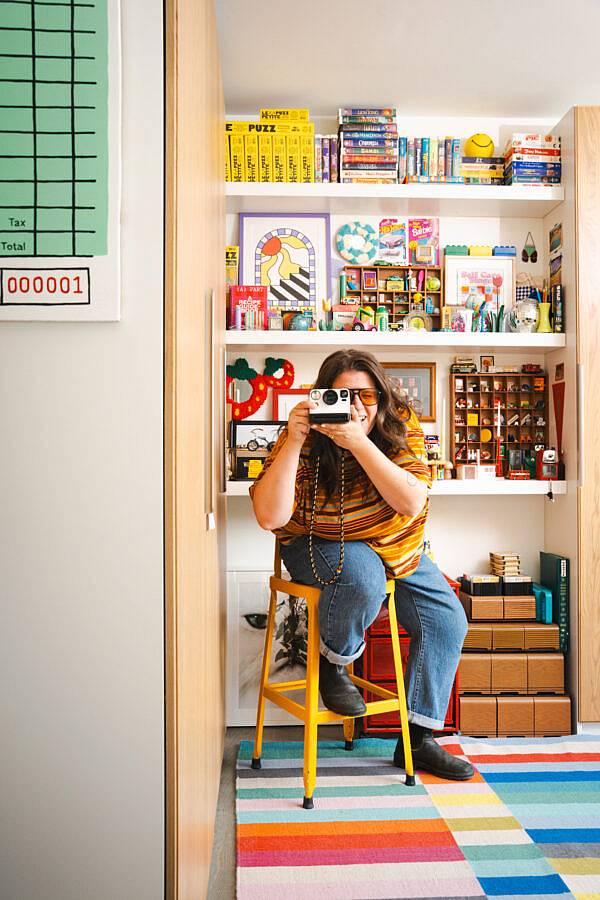
Tell us a little bit about yourself and what you do
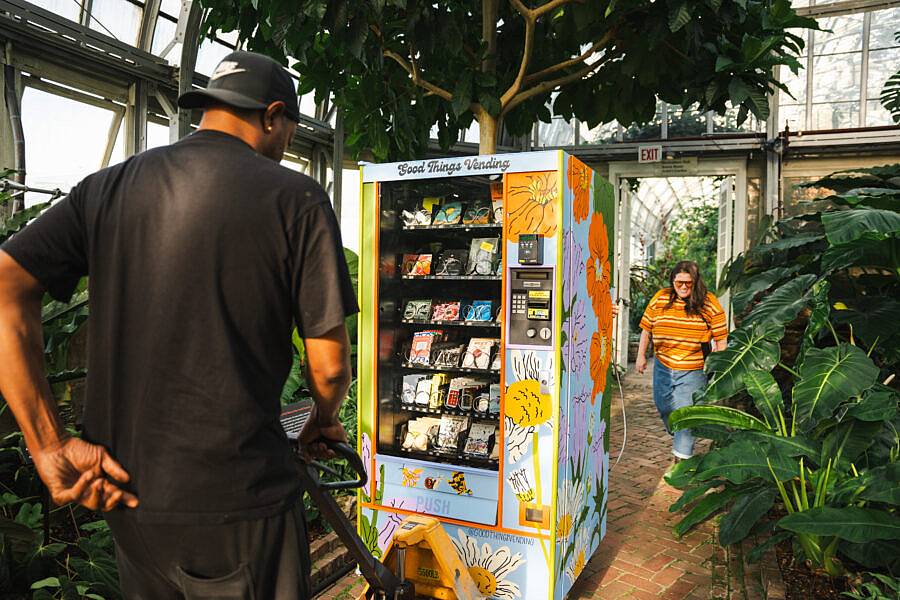
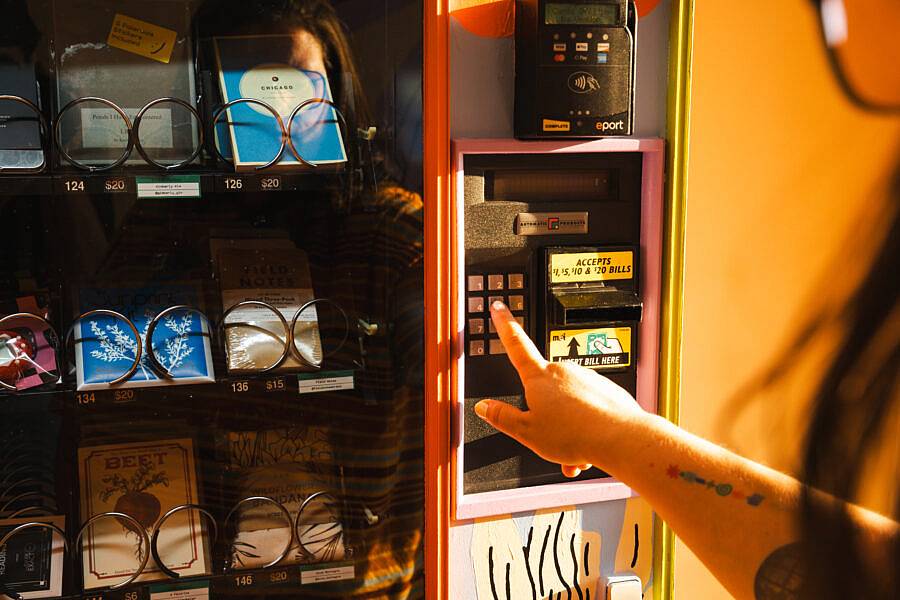
My name is Steph Krim and I am the founder and keeper of Good Things Vending. We’re an art vending machine project that takes full-size snack machines and stocks them with local artwork, vintage treasures, nostalgic items, and practical things. Really, not much is off limits if it fits.
How was Good Things Vending originally conceived?
It started with a simple idea – if I bought a vending machine would the artists and makers I knew put stuff in it? I moved to Chicago at 18 and there were times I felt like the creative community in Chicago raised me so some part of me was always looking for a way to collaborate and participate. Once I had the machine it grew, slowly, step by step – always coming back to “do you think this could fit in a vending machine?”
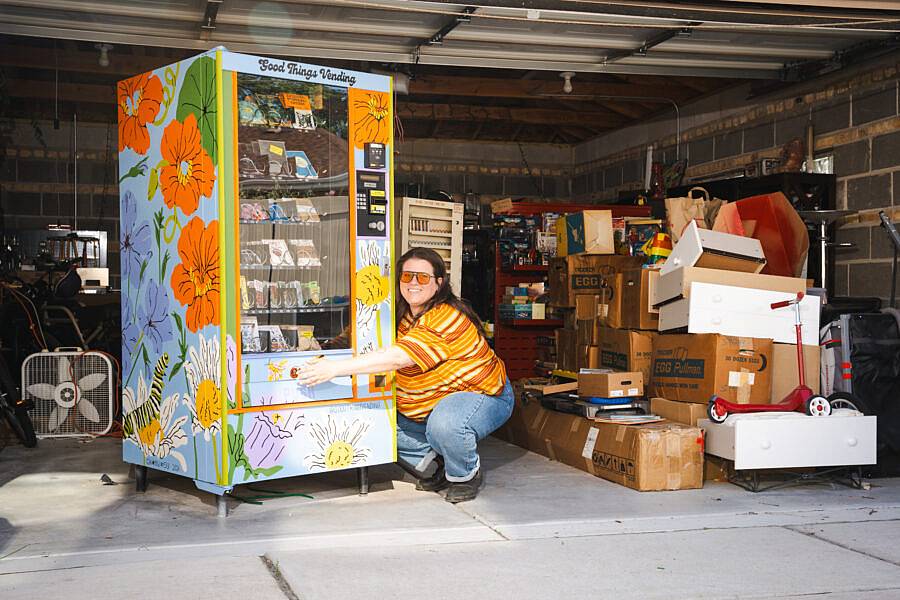
What is it like operating within Chicago?
It’s special. My love of Chicago and the people here are a huge part of why I started Good Things. The city has been generous with me, and this project is my way of engaging with that magic. It’s both a love letter to Chicago and a way of being woven into it.
Do you plan on expanding Good Things Vending to other cities? How do you think it might present itself differently in different settings?
People ask about expansion all the time, but right now it’s hard for me to imagine. Good Things is very much a product of Chicago — the community connections here took time to build, and that’s what makes it work. For now, my focus is on going deeper, not wider.
That said, I’ve helped a few folks start their own vending projects in other places – from art machines in other cities to harm reduction machines with Midwest Access Coalition. There is a vending machine wave that’s been building for a while now and I’m excited to support that however I can.
How does collaboration play a role?
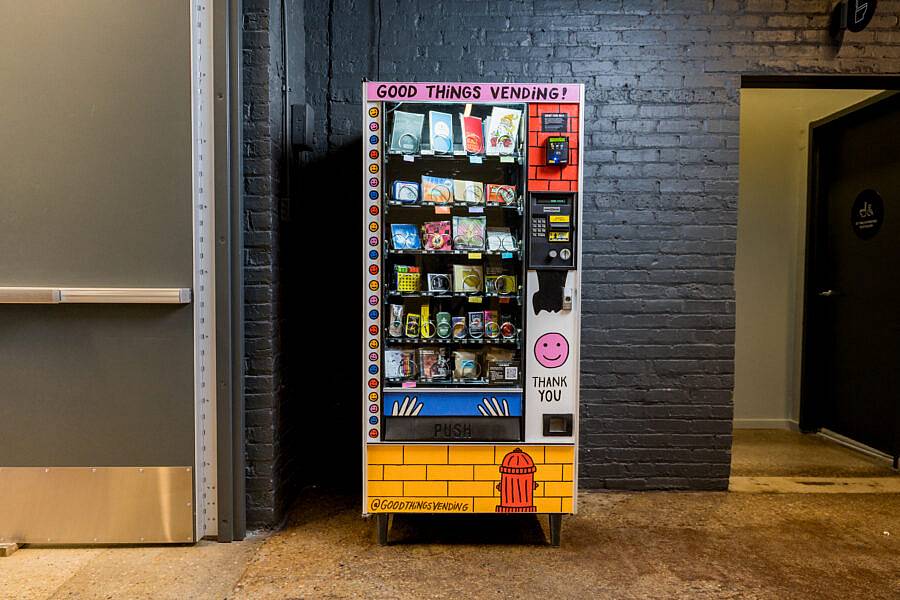
The project is foundationally collaborative. The vending machine is just a vessel – it only comes alive through the artists, makers, and community who cover and fill it.
One of my favorite parts is the visual maximalism: handmade header cards next to stickers, zines beside tiny sculptures, every label and business card adding to the texture. It’s a little visual party.
Collaboration also happens with our host locations. Each machine reflects its surroundings because we build them in conversation with the people who house them. Good Things only works because it’s tied into other people’s ideas, spaces, and energy. That’s what I love – it’s just better with more hands, hearts and brains in it.
Do you have a specific process when scouting artists or works to be included in the vending machines?
There’s no rigid process. We have an open application at goodthingsvending.com and I am always keeping my eyes out for work that fits. When space opens up we dive into those applications or work we have seen and try to find a rhyme between the open space and an artists work. We then work with the artists to ensure the goods are understandable from behind glass, have a sense of care in the making, and are able to physically vend.
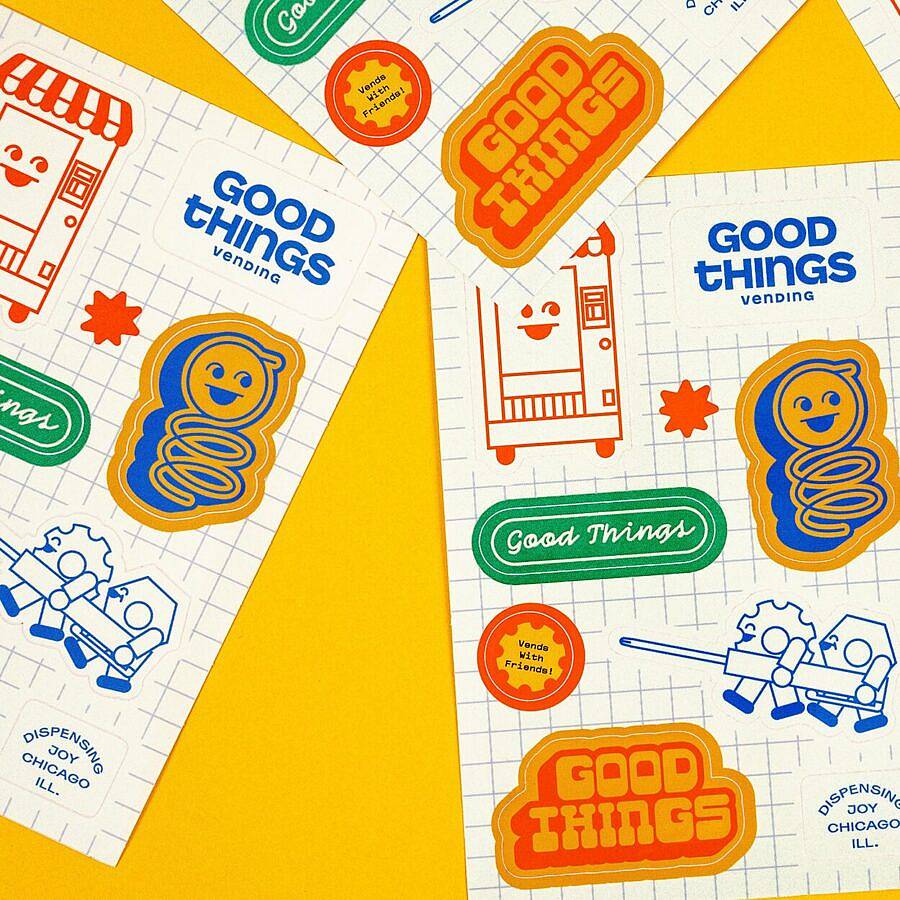
Does the arts community of Chicago play an important role with Good Things Vending as a project?
Completely. Good Things is a reflection of the Chicago arts community. The city is full of independent makers, business builders, and artists who know how to stretch a little space into something big. Without that energy, the machines would just be empty boxes.
How often do you change the machines and their contents?
Every machine is a little different and they are restocked weekly. How much the inventory changes depends on the location, what’s selling, and when new work comes in. The goal is to keep it dynamic so that there’s always something new to discover.
What are you really excited about right now?
My kiddo. He’s three, and the way he connects to the world challenges me constantly. He’s teaching me to crawl, run, scream, and look so closely at things that your eyes cross. That openness feels like a gift, and I’m trying to let it spill into my work too.
Do you think that the vending community is playing an important role right now internationally?
There’s been a big increase in vending machines showing up all over the world – in art, harm reduction, mutual aid, and niche retail. In the U.S., this wave feels connected to our growing de-investment in physical spaces as we build more online. We’re all hungry for tangible, in-person experiences, but running a retail shop – buying or renting space – is a huge barrier, and staying open month to month is a massive challenge. In a moment when the old formulas of work we were brought up on feel like they’re breaking down, vending machines offer a small, exciting invitation to build something new.
Do you ever find it difficult to stay consistent when navigating so many different aspects of this project?
Totally. Consistency is hard. There’s no playbook for running an art vending business, so sometimes it’s clumsy and getting really comfortable owning and learning from my mistakes in real time has been the best tool to cover the distance.
Can you share one of the best or worst reactions you have gotten as a result of your work?
The best reactions are when the project sparks something else – I know of a handful of vending machine businesses that started because people saw Good Things. That feels like the biggest privilege, to see something ripple outward. Last week someone proposed with a mood ring they bought at the Garfield Park Conservatory machine on the spot – that my kind of magic.
People online get super mad about us vending free Plan B but that’s an audience I don’t mind outraging.
Interview conducted and edited by Liam Owings