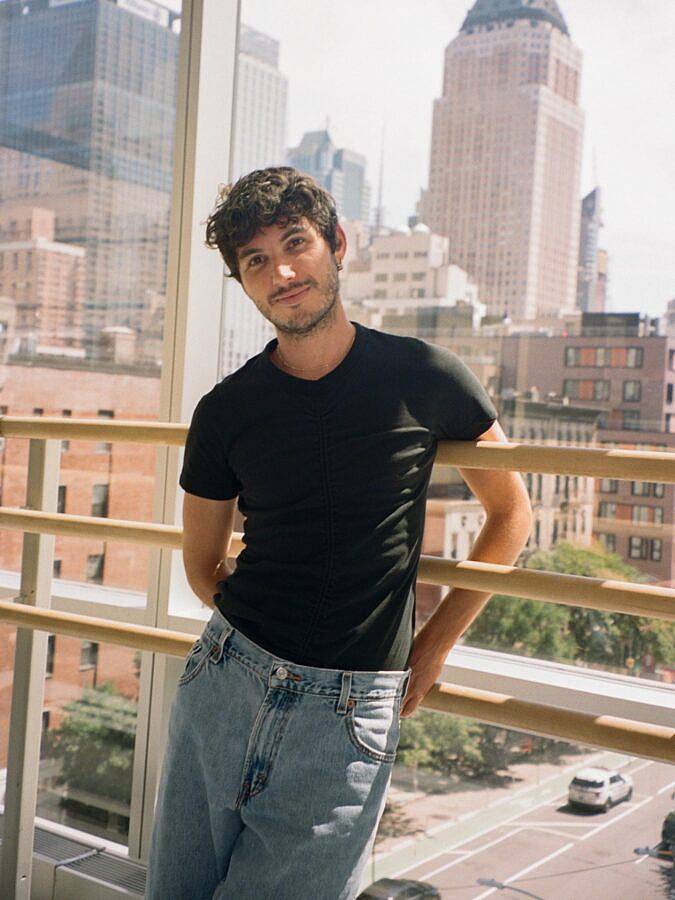
How did your interest in art begin?
I grew up in a household where art was always present. My mother is a music teacher, my father a writer; I was exposed to different artistic mediums from a young age.
My mother would take us to the opera, which I think is one of the most incredible multisensory art forms. You have music, singing, scenography, costumes, and choreography all coming together. I recently cried for the first time watching an opera exactly because all those chords were hit in the right way for me: Satyagraha by Philip Glass at Opera Garnier in Paris, with Anthony Roth Costanzo singing, directed and choreographed by Bobbi Jene Smith & Or Schraiber, set & stage design by Christian Friedländer. It was divine.
Later, when I was in my early twenties and living in London, I started spending a lot of time at museums and exhibitions. That’s when the importance of curation clicked for me, and how the way the exhibition was thought out could make or break the viewer’s experience.
What kind of imagery are you drawn to?
Images that capture the essence of their subjects. Pedro Almodóvar has been fundamental to how I understand storytelling and humor within drama. Nan Goldin and Henri Cartier-Bresson are photographic references for me, as is Tim Walker in his ability to transport me into his world. I was also very influenced by pop culture and music videos growing up. Something like Lady Gaga’s Alejandro really shaped how I understood image-making.
-
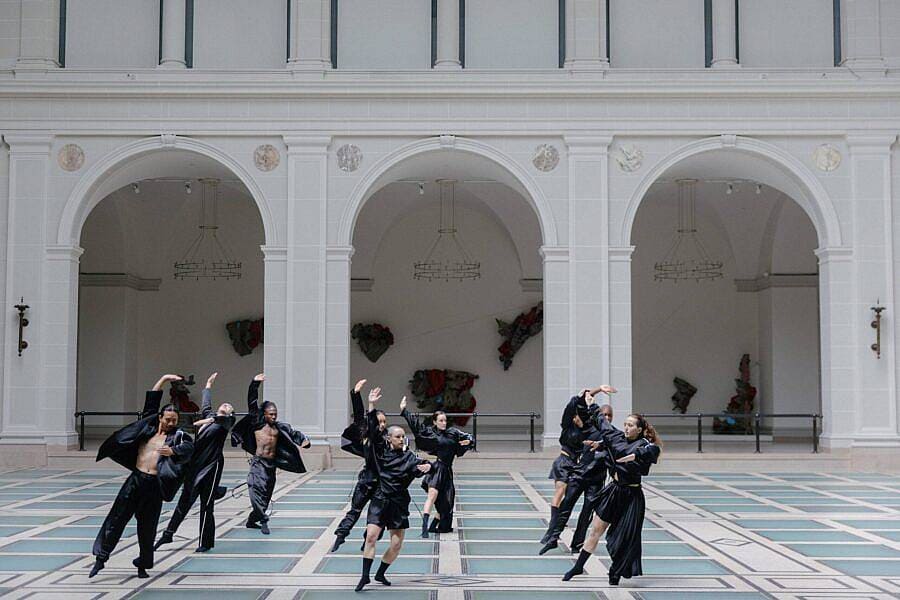
Snippet from Transient, a dance film Schler creative directed and choreographed, with costumes by designer Peter Do, and shot at the Brooklyn Museum.
What’s an influence that’s central to your work?
The collision between the outside world and my internal world is how I tend to find my creativity. Music is a big influence on how I work and ever-present in my life, so are visual arts (especially photography and cinema). In parallel, I often let my thoughts and emotions come alive through meditation, and a lot of ideas and visualizations come to me in those moments. Earlier in my life, many of my ideas would come through dreams. That’s still the case now and then, but stillness has taken over as a catalyst for ideas.
What is your workspace like?
I don’t have one workspace. My practice moves between dance studios, artists’ studios, galleries, research libraries, and wherever collaboration happens. I’m quite nomadic in the way I work; I don’t need a lot materially to work, but I do need to be immersed in the right environment.
-
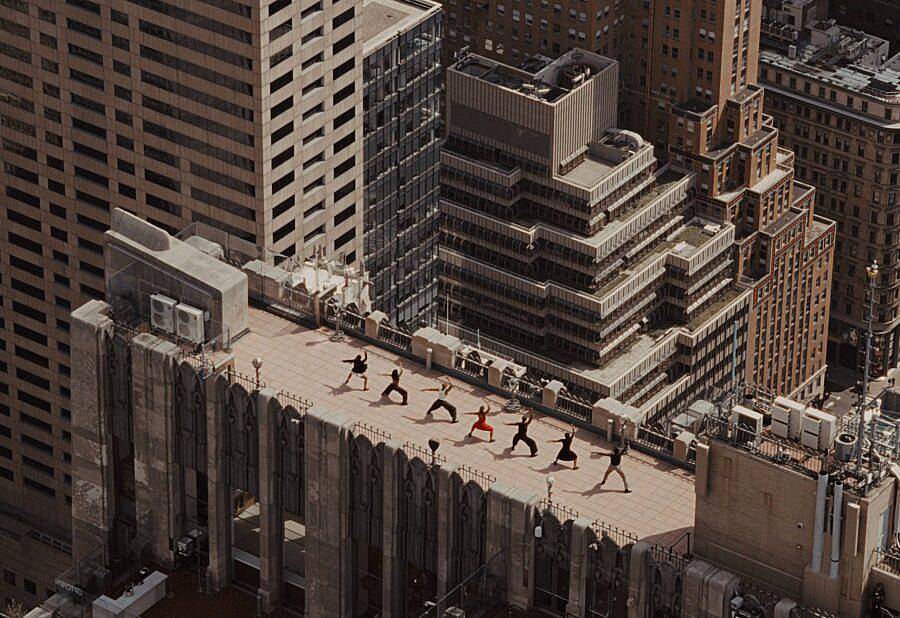
A still from Rise, a short film for Alvin Ailey and Rockefeller Center, which Samuel creative directed.
Tell us about a book that opened up a new way of thinking for you.
Breaking the Habit of Being Yourself by Joe Dispenza is a book I return to whenever I reach a major moment in my life. It’s helped me rethink what’s possible and give my dreams a chance. I think anyone open to transformation could benefit from reading it.
-
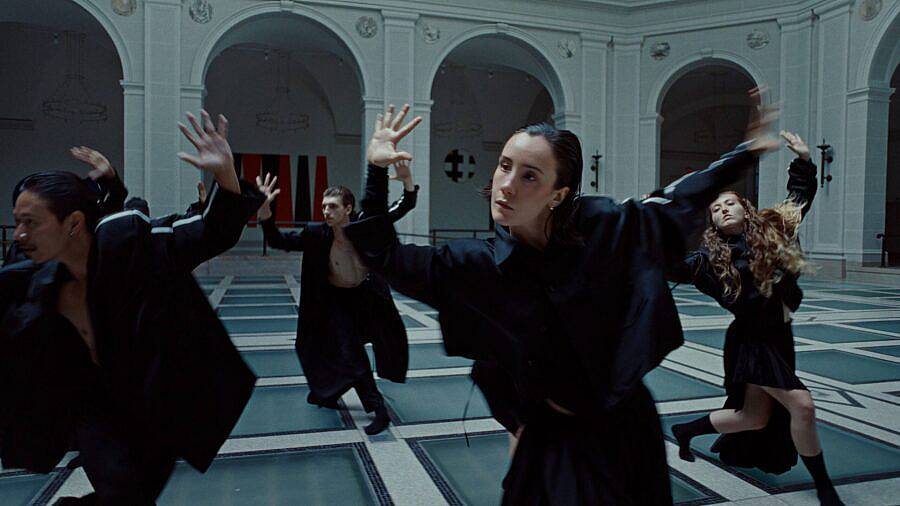
Another still from Transient, shot by Philipp Paulus.
Who do you think is doing incredible work right now?
I admire artists who remain passionate about what they do and stay true to themselves. It’s inspiring to see artists like musician East Forest, choreographer Aszure Barton, DJ Courtesy or painter Angela Santana push the boundaries of their mediums while staying true to their own voice.
-
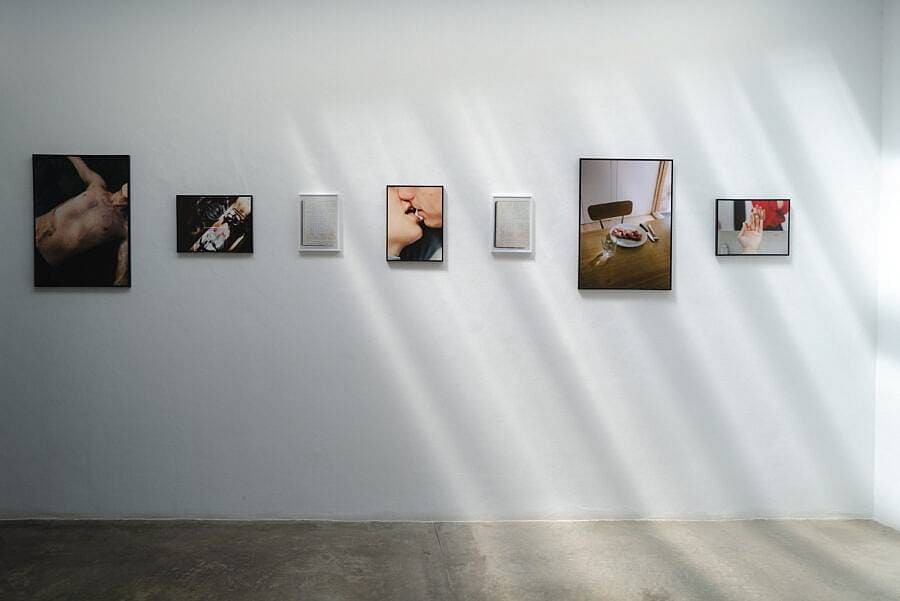
Marta Mas’ photography show in Barcelona, Viure l’enigma de la rao, which Samuel curated. The show put her photographs in dialogue with her grandmother’s journals.
What do you want to see more of in contemporary art?
I’m excited to continue seeing more cross-disciplinary work. When artists from different crafts and disciplines come together to tell one story through different mediums, the result becomes so much richer and reaches a wider audience.
What have you been listening to lately?
I have an eclectic music taste. Any time someone sees my Spotify playlist, I see a confused look on their face. I listen to everything from Cuban jazz to techno and classical music. There is a space and time for every song, and sometimes it’s fun to purposely collide music that doesn’t fit. In general, the soundtrack of my life is composed of my top three: Mylène Farmer (our French Madonna), Céline Dion (only the French songs) and Paul Kalkbrenner. That being said, I am somewhat obsessive with music and when I like a song, have no problem listening to it twenty times a day. This week, Der Tanz der Glühwürmchen by Dominik Eulberg has been on repeat.
What is something you’ve always wanted to do and are working towards achieving?
A Techno Opera.
-
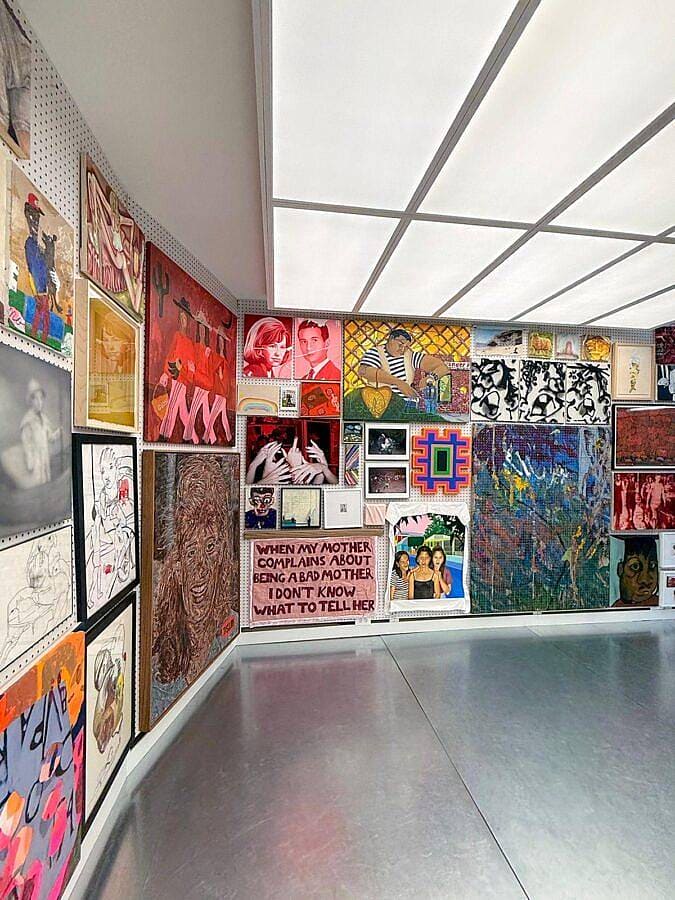
Mooni Gallery in Manhattan, for which Samuel guest curated the opening earlier this year.
Is there an upcoming project of yours that you can tell us about?
I’m curating a ceramics-only exhibition for Mooni Gallery, a Mexico City gallery that recently opened a space on the Lower East Side in New York. I’m excited by the new contemporary ceramic scene and by the magic of the medium itself: the transformation, the unpredictability, and the happy mistakes that come out of the kiln.
Interview by Paul Fitzpatrick