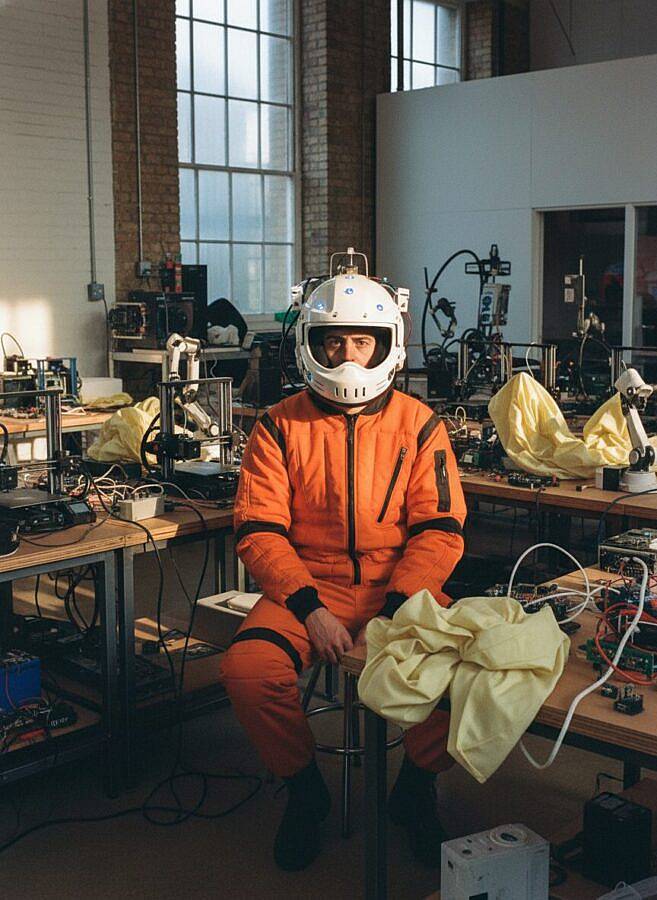
Tell us a little bit about yourself and what you do.
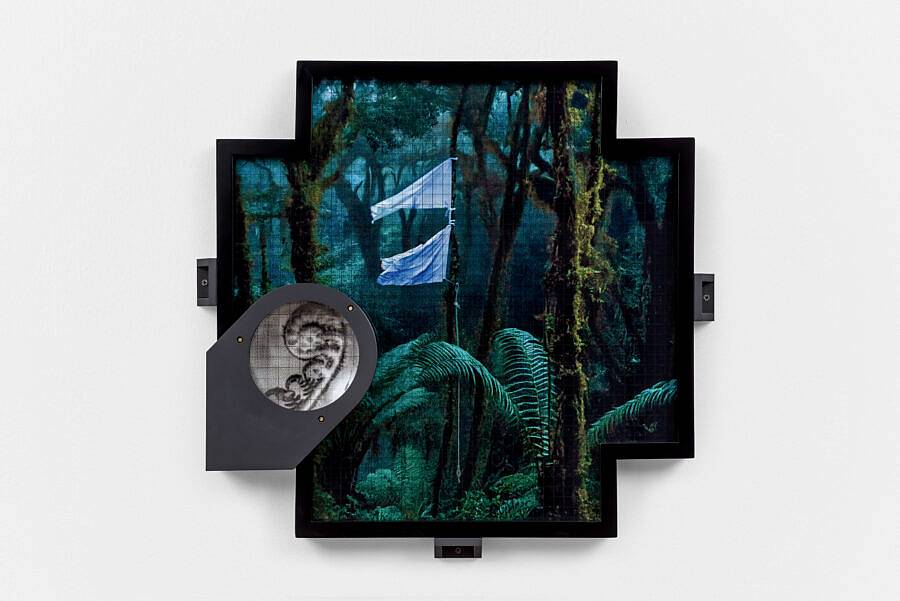
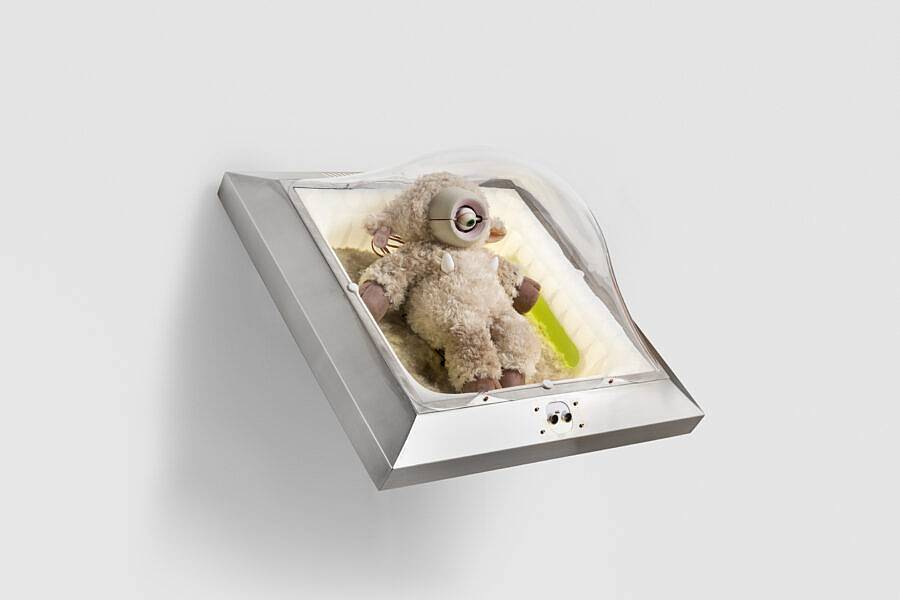
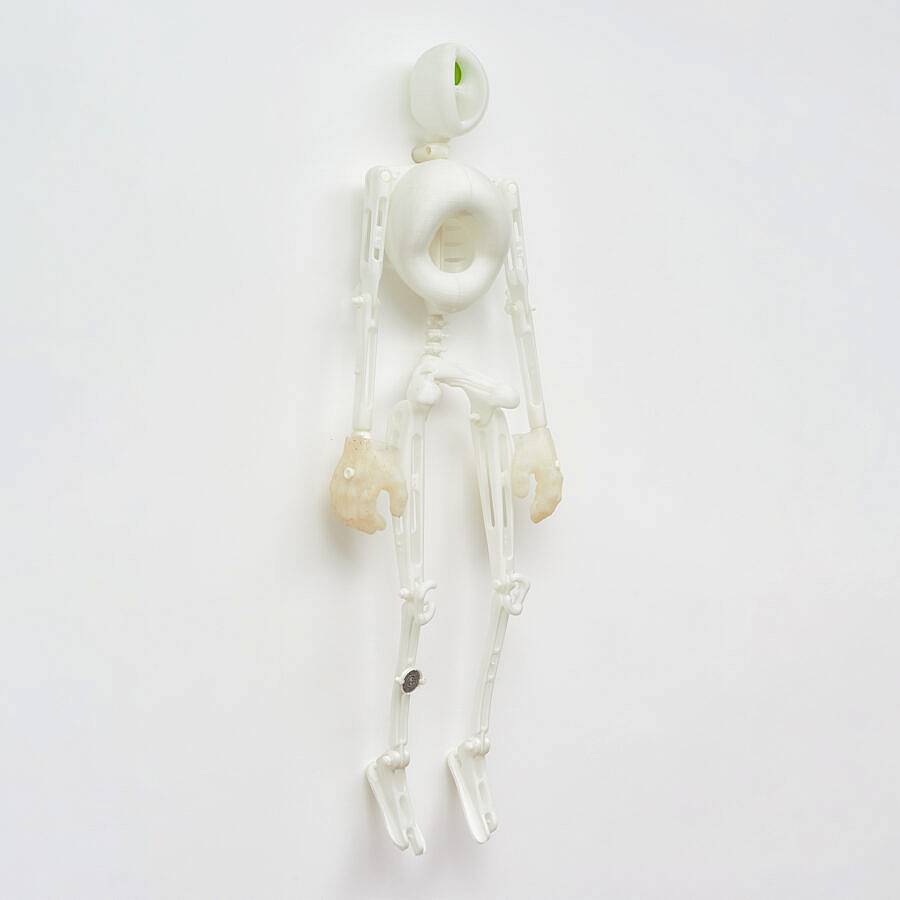
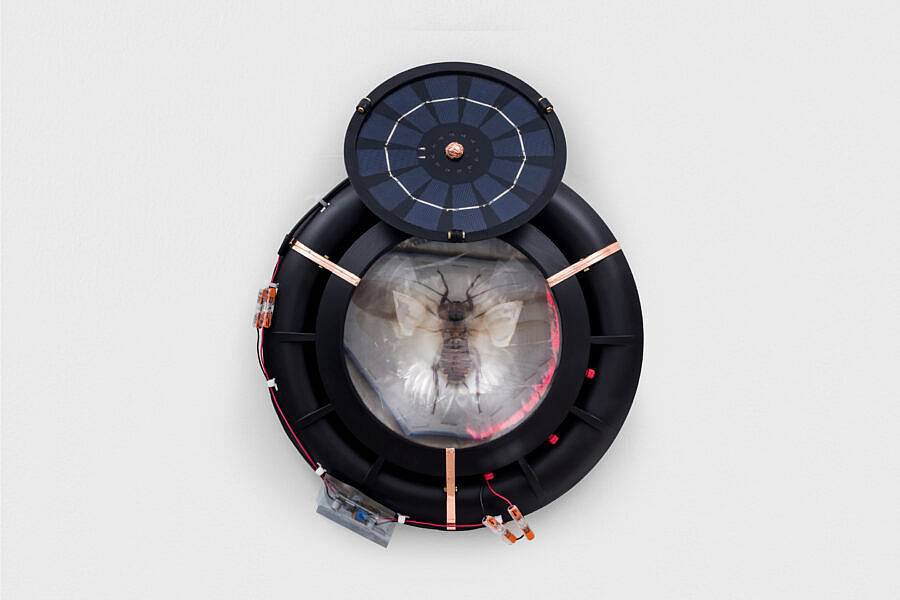
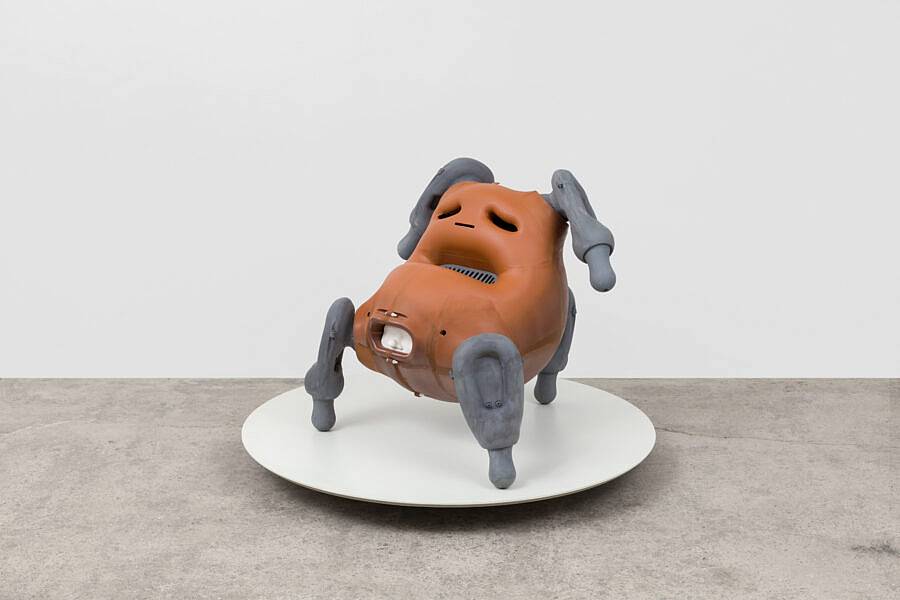
I am an artist whose practice investigates personal agency in the face of hyperobject-scale events. I explore these themes through installations and sculptures, often incorporating mechanics, robotics, sound, and video to deploy ideas of the future.
Who do you think is making important work right now?
I think important work is being made by anyone actively pushing against dystopia, which currently feels less concentrated in the arts and more in fields like climate and AI alignment research. With so much to be concerned about in the world, the important work is actively engaged in making tomorrow better than today.
How were you introduced to the mediums that you work with?
My route into art was non-conventional: I studied design and then worked as a musician. This background is essential—design taught me to solve problems with form and function, and music gave me an understanding of structure, time, and performance. Because of this, the specific mediums I use—robotics, sound, video—feel secondary; they are simply tools that come and go, used to solve the current problem.
What influences do you think play an essential role in your work?
The tools available to me. Recently this includes Generative AI, but I’ve always worked through the tools at hand.
Do you differentiate your practice when working in different mediums?
I don’t think so; mediums are just vessels. I’m mostly dealing with problems, often delusional problems.
Can you speak on the inclusion of robotics and futurist portrayal in your work?
The future has never felt closer. For a long time, the work I made felt sci-fi but now, due to the speed at which technology is accelerating, the future is here (it’s just not evenly distributed). Automation is here; dark factories, driverless vehicles, and domestic humanoid robotics are here. The effects might not be felt just yet but these are real things which are going to change our relationship to labour and capital.
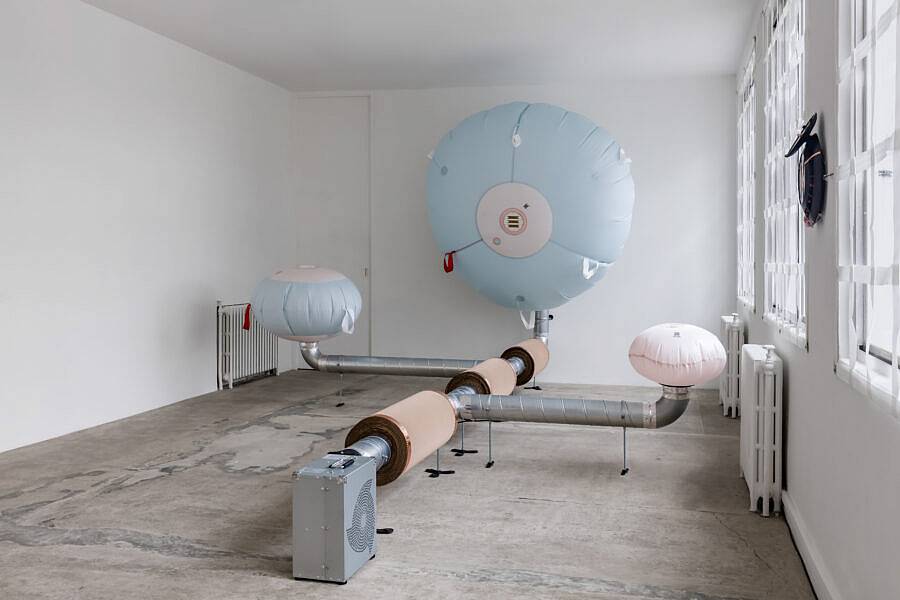
Do you think of space and architecture when making your work, or is it more so conceived in its own private setting?
Galleries sort of function like simulations. So I think about how space can affect that interaction and the meeting of worlds. I often build digital versions of a space to iterate the show as my thinking develops.
How does storytelling and worldbuilding play a part?
I currently work with the possibilities of the present and how they might collide with the future. So it’s mostly about how different worlds bump against each other.
Do you think your work takes on different contexts when shown in different areas of the world?
I’m sure it does. There’s a huge difference in how robotics or concepts of the future are perceived depending on the local economic and cultural context.
What was the last show you saw that stuck out to you?
The Laure Prouvost installation “We Felt a Star Dying” was very striking.
What is it that you think might initially draw you towards a work of art?
I don’t know if there’s one thing. Probably how I’m feeling at the time. There’s a lot of amazing work out there, but ultimately if I’m feeling tired or hungry I’m not going to be able to enjoy it.
Do you have any rituals when entering the studio?
I turn on my computer and plug myself in.
What is something that you’ve always wanted to do and are working towards achieving?
I resonate with Richard Tuttle’s idea of art as an act of escalation—that if something becomes normalized, it ceases to be effective. I don’t have a single ‘dream artwork,’ as the circumstances, space, and resources always dictate the scale of the challenge. Instead, my driving goal is to always escalate the challenge, ensuring that the work is never comfortable or easy, because that tension is essential to creating art that pushes boundaries.
Can you tell us a memory of someone interacting with your work that frequently crosses your mind?
I find it absurd but also nice when people touch installed work. My works often get broken by people pulling or poking them. It means they felt so curious they needed to touch it. So yeah, physical interaction is something that crosses my mind often.
Interview conducted by Liam Owings and edited by Seth Nguyen.