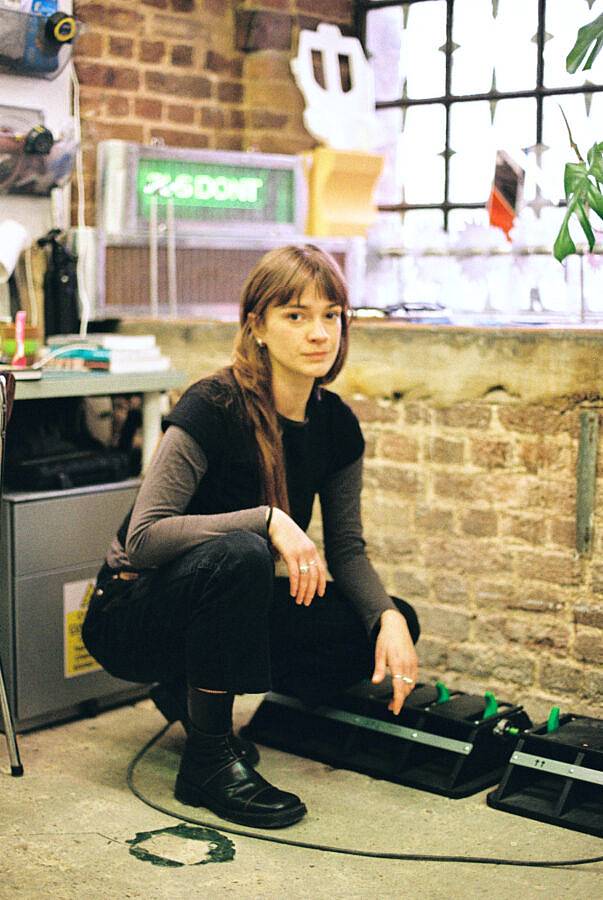
Tell us a little bit about yourself and what you do.
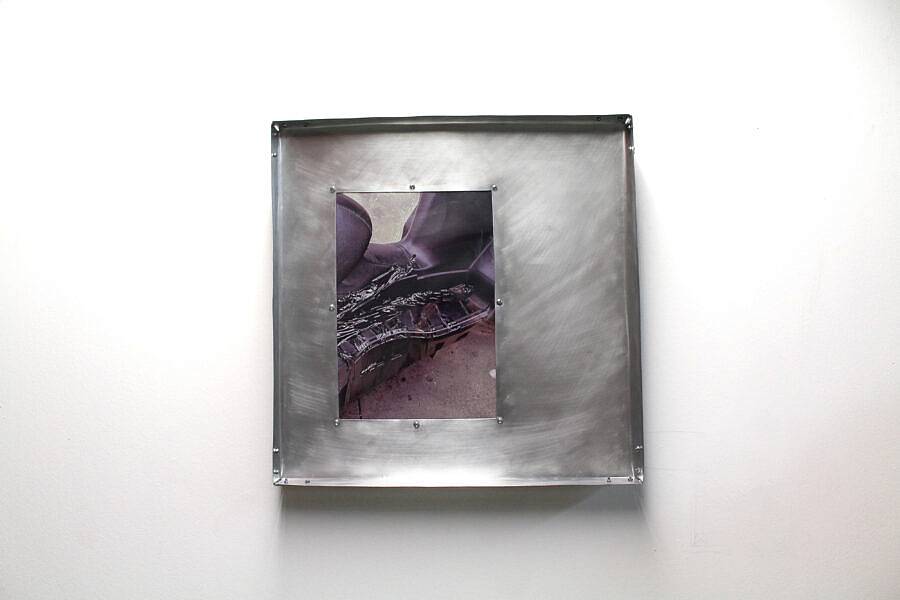
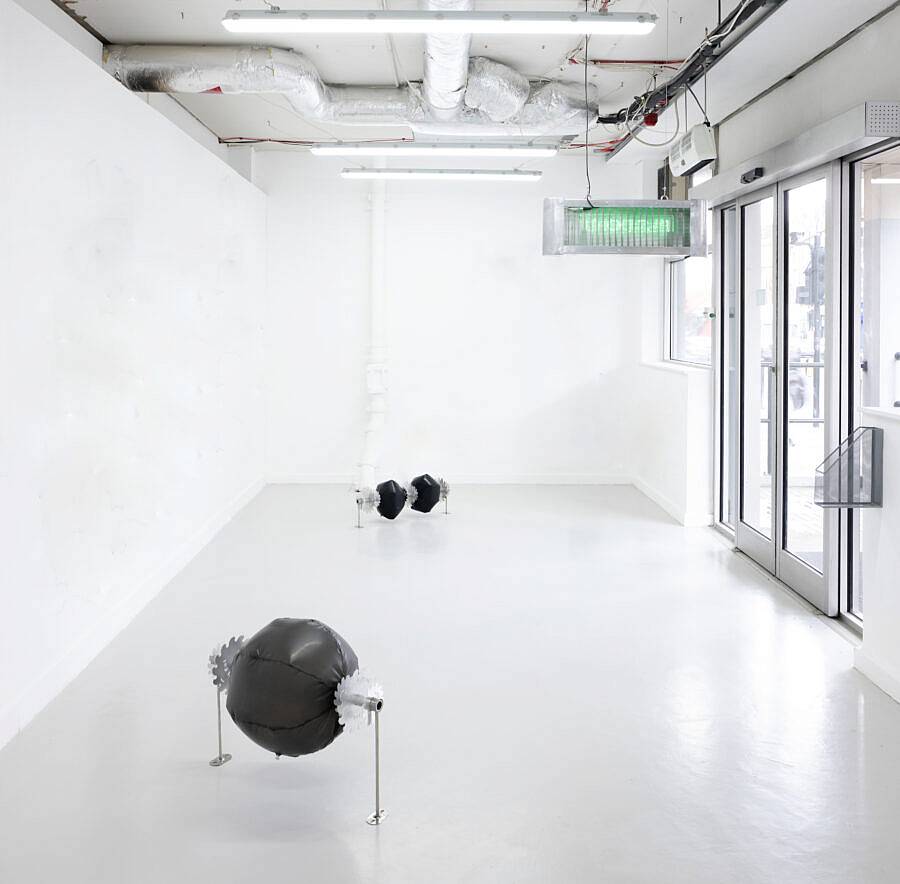
I see my sculptural research as a visual diary of the things I collect, recording daily encounters in the city. My work focuses on fragments of urban life – the banality of living in the city, its underground worlds, subcultures, racing culture and masculine ego. I’m interested in an expanded understanding of machines, the fetishisation of competitiveness, and the moral or ethical tensions within these environments. I make sculptures based on this ongoing research.
Are there any influences that are core to your work?
The biggest influence for me has always been the city. I often get ideas while commuting, cycling, walking through the urban traffic and notice the details that most never pause to see. Psychogeography and behavioural science shape how I think about the way the city makes us move, function and exist in certain patterns, and how we adapt to its systems. I’m particularly drawn to subcultures such as racing groups and illegal car meet-ups – their behaviours, symbolism and hidden unspoken codes and its poetry.
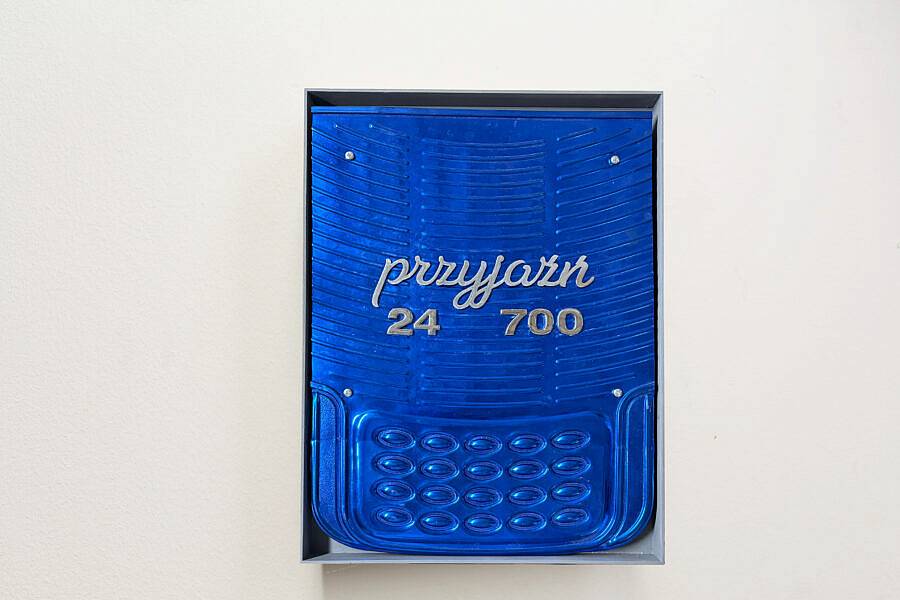
How were you introduced to the mediums that you work with?
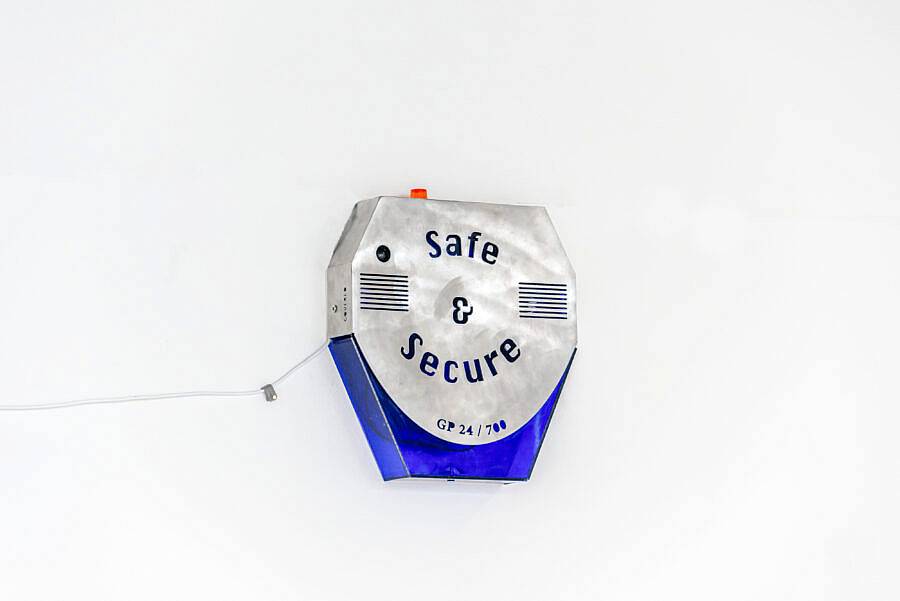
Through my sculptural background and everyday encounters with the city and car culture. Metal as a material and boy-racer magazines from the 1990s and early 2000s became starting points for experimentation. Working with these objects taught me to see them through memory, masculinity and competitiveness, and through the identities performed around them. The work aims to transform automotive materials into aesthetic objects, shifting them from functional remnants to critical, symbolic forms.
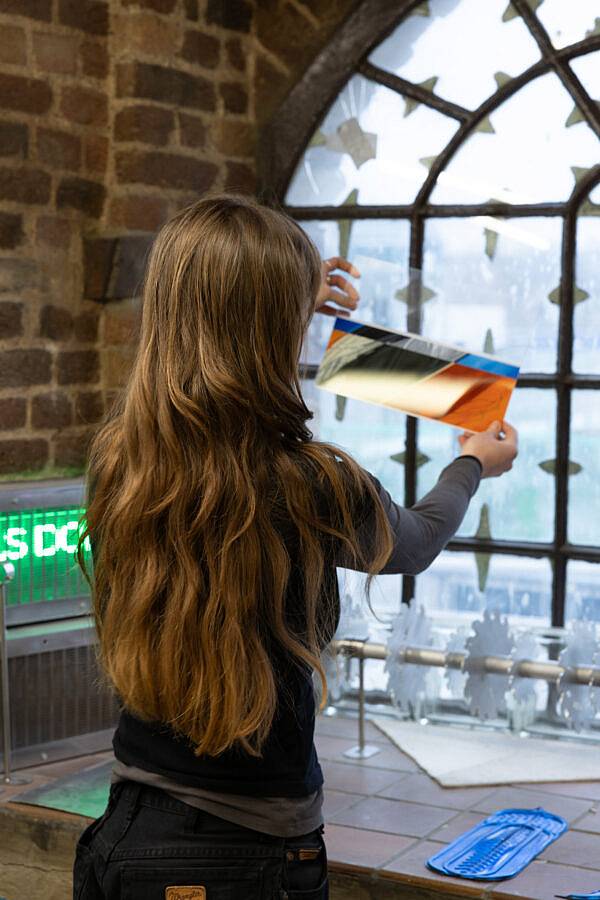
What’s your studio or workspace like? Do you have any rituals when you settle in there?
My studio is in an old rum factory near where I live, shared with another Goldsmiths graduate. I often begin my time there with research, reading, exploring internet culture and memes, and gathering imagery from magazines and my photography.
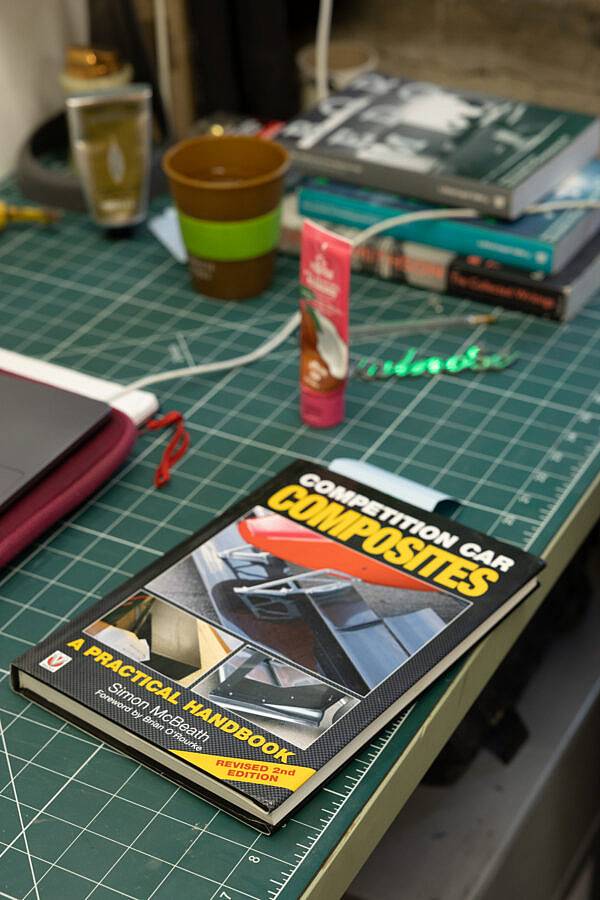
What kind of imagery are you drawn to?
The visual language of city, car culture, online forums, memes and advertising. I look for moments where objects perform identity, where masculinity and competitiveness, broken ambitions are seen through surfaces, textures and digital circulation.
When needed, where do you look for inspiration? Have/how have these sources changed over time?
The city provides sensory and social material, while the internet offers an archive of behaviours, fantasies and performances. The sources shift from found objects and magazines to screenshots, memes and digital traces, mirroring the way car culture itself has migrated online.
Are there any areas that you’re interested in exploring further in your work? Whether that be new ideas, processes, materials, etc.?
I’m currently developing a research film drawn from footage collected at car meet-ups in London and from everyday urban behaviours. It explores what these performances reveal about masculinity, competitiveness and collective identity. I’m interested in the poetic and contradictory nature of these spaces at once communal and aggressive, intimate and performative. Moving forward, I want to explore this dialogue between film and sculpture, using moving image to activate the materials I work with.
How do you form a relationship with an object?
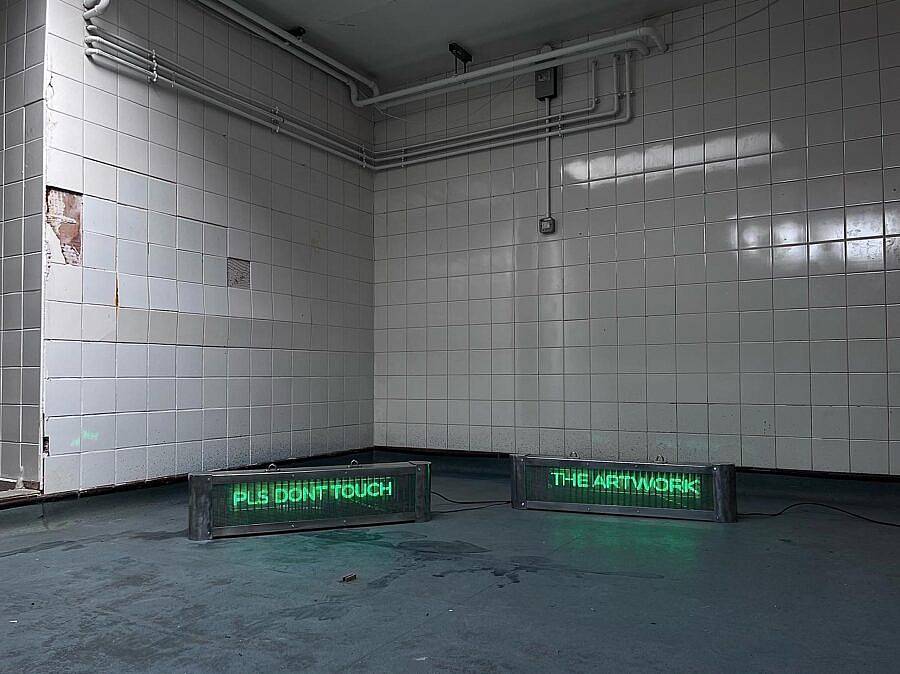
The relationship is built through proximity and labour. I treat objects as collaborators that carry social and emotional histories.
How does your creative community now compare to your creative community when you were younger?
It really depends, the creative community now feels more focused and intentional. At the same time, there’s more playfulness and openness to experimentation, which makes the work feel less pressured and more collaborative.
How do you manage tending to the variety of responsibilities in the work you do? How do you mitigate burnout or exhaustion?
I’ve learned that burnout often happens from forcing productivity. I manage my work by listening to its pace, some days are slow and that’s part of it. Rest, routine and time outside the studio keep the work sustainable.
Are there any travel experiences that are formative to your work or to you as an individual?
Traveling has taught me how context changes the meaning of objects. Moving between Poland and London, I became aware of how the machines, gestures or symbols carry different emotional weight in different places. That awareness of displacement and belonging feeds directly into my work.
What do you collect?
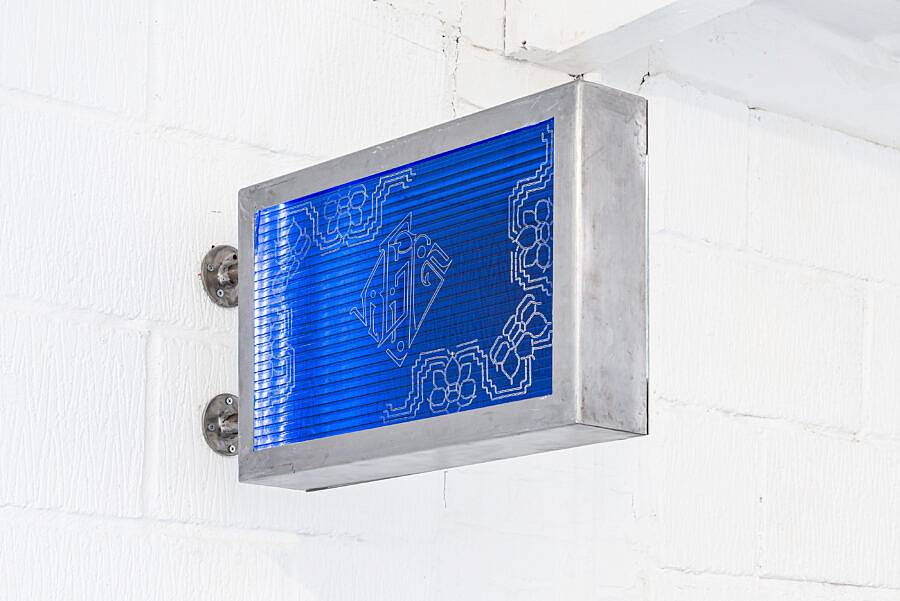
I collect boy-racer magazines, my own photography, car parts and tuning objects, as well as books on psychogeography and behavioural science.
Interview conducted by Luca Lotruglio and edited by Seth Nguyen.