Tell us a little bit about yourself and what you do.
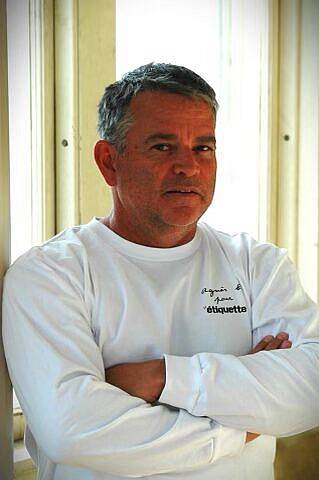
I’m Chad J. Graff. With my spouse/partner Joann Falkenburg, we founded 6th Floor Project – ArtBank in McCook, Nebraska. As Founder and Board Chair of a new nonprofit arts organization, I oversee all aspects of the project and act as primary volunteer, working 12 to 14-hour days when I’m in town to bring new contemporary art spaces to life.
Joann and I both grew up in rural Nebraska, me in McCook and her on a cattle ranch north of Harrison. We lived for 25 years in Oakland, California, before returning in 2021 to activate empty spaces in McCook’s downtown with our collection of contemporary art.
How was ArtBank originally conceived?
We began returning to McCook when my parents, Pete and Dolores, were declining in health. We don’t have children; Joann is a gifted primary care physician; so we were well-situated to visit frequently and help them navigate the end of their lives. That experience was a long, difficult process, but also an enormous gift to our sense of ourselves. My dad passed in 2013; my mom in 2020.
During those visits we saw empty beautiful spaces in McCook’s downtown. We also became acutely aware of urban-rural divides haunting the United States. We’ve been privileged to know and love many artists in our decades together, from 5 years on Dine/Navajo Nation where we became friends with Shonto Begay to 25 years in Oakland where we became deeply moved and inspired by artists of Creative Growth Art Center and like-minded studios around the world. Sharing the work of these artists became a way we could activate empty spaces and create a cultural bridge.
The bridge is founded on our belief and lived experience that art and artists can help us become better, healthier people and more vibrant, inclusive communities.
What is it like operating in Nebraska?
Contemporary art does not have a strong presence in Nebraska, but artists and champions scattered throughout the state are doing tremendous work. Launching a successful non-profit contemporary art project in Nebraska has been a love affair of finding those people, holding them close, sharing resources, and working together toward extraordinary possibilities.
It has not been easy, but we could not be more pleased and inspired by seeing people emerge from underground to help create 6th Floor and ArtBank. We’ve received excellent press, engagement from community and statewide partners, generous donations from artists and foundations, and inspired volunteers to launch dynamic programs for youth and artists with disabilities.
People are invited to come to Nebraska to have world-class art experiences and visit communities ready to surprise.
How is 6th Floor related to the project?
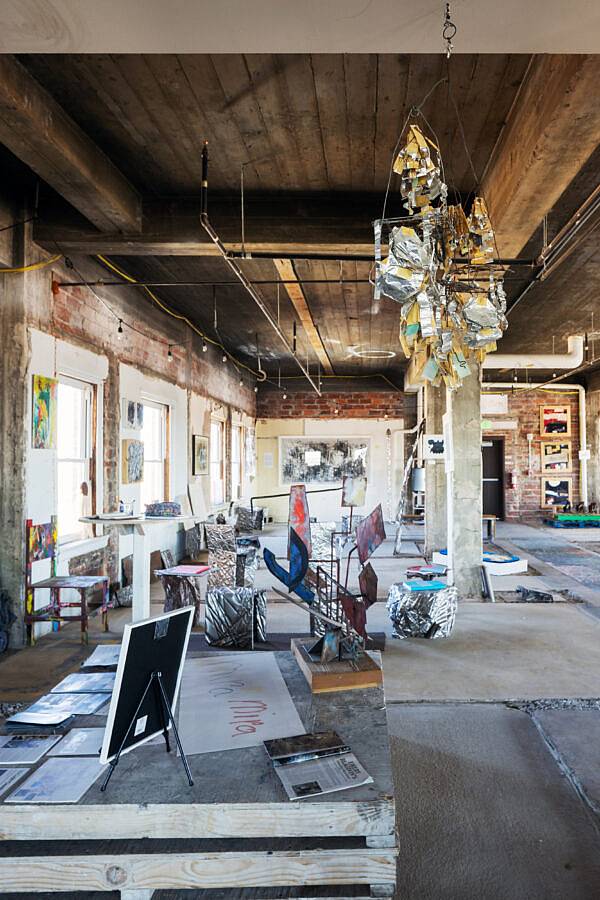
Our projects began on the 6th Floor of the downtown building formerly known as the Keystone Hotel. It is the highest space in town and has unique views on McCook and the SW Nebraska landscape.
My nephew Jared Muehlenkamp showed me the 6th Floor on one of our visits to see my parents. Jared lived with us for a few months in Oakland and worked on Let There Be Dragons in LA with Jennifer Golub, so he knew our love for art and raw aesthetics.
The space blew me away. Raw concrete beams and floors. Valleys and gaps where floors and walls used to make individual rooms, first as a hotel then as senior housing.
The local economic development group received a government grant to save the building in the early 00’s, but they ran out of funds after creating office space through four floors. 6th Floor was left demolished and deconstructed, truly perfect for installing contemporary art in dialogue with space.
6th Floor was unoccupied for at least 20 years. I grew up in McCook in the 70s and 80s without ever seeing its beautiful views on the community. Art we had collected offered immediate energy to activate the space and create dynamic dialogues with
deconstructed elements. So that’s what we did. We shipped art via U-Boxes from California. We bought solar lights. We installed work with friends. The space was lit.
Soon we had visitors. And soon thereafter, in 2021, Matt Hansen, Editor of the newly-launched Flatwater Free Press, visited and called 6th Floor: ”quite possibly the coolest art space in all of Nebraska.“
In your process of fleshing out ArtBank with collaborator Ron Nelson, how did conceptualization of the building become an important project itself?
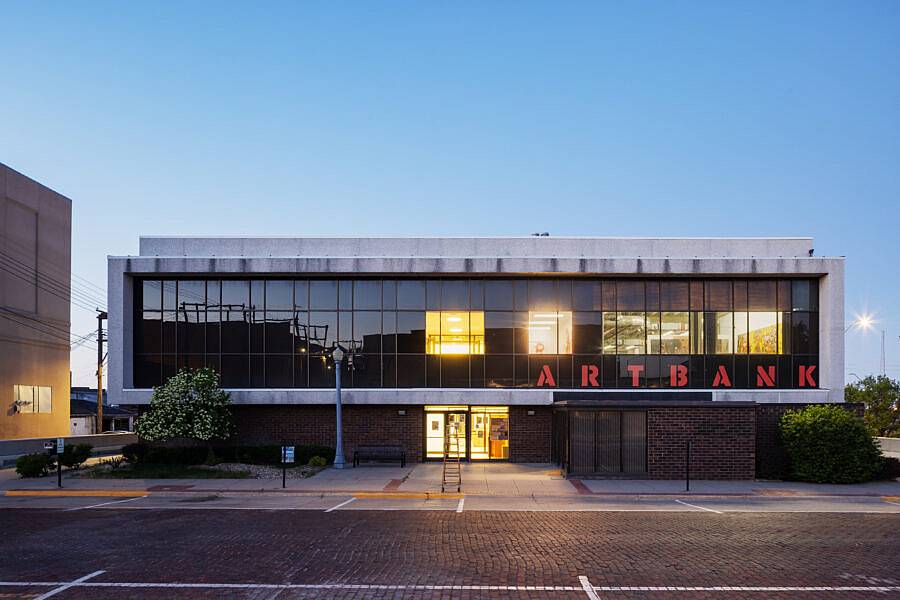
6th Floor led us to ArtBank. We looked across the street and saw a 1975 brutalist building masquerading formerly as First National Bank, then Wells Fargo Bank. Its’ destiny was always to become a contemporary art space.
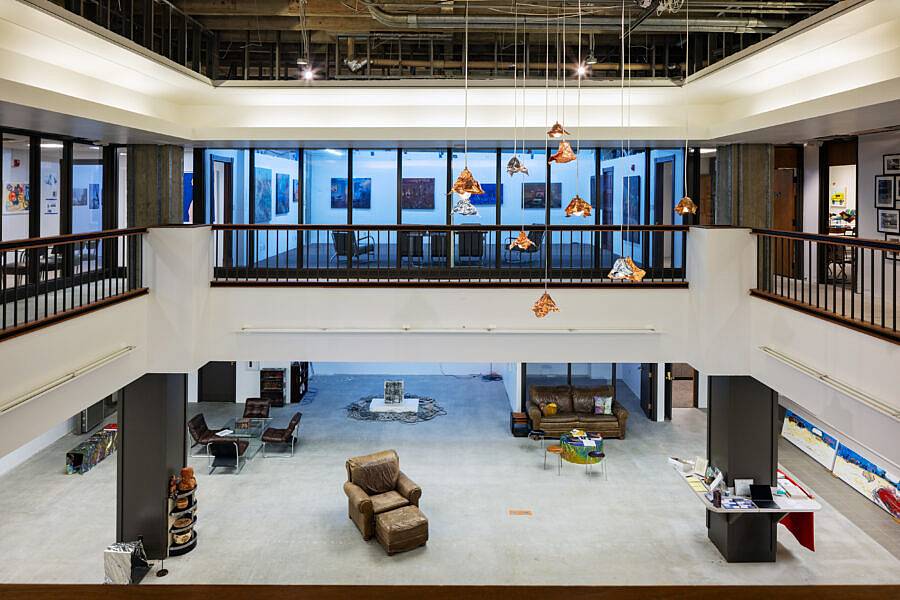
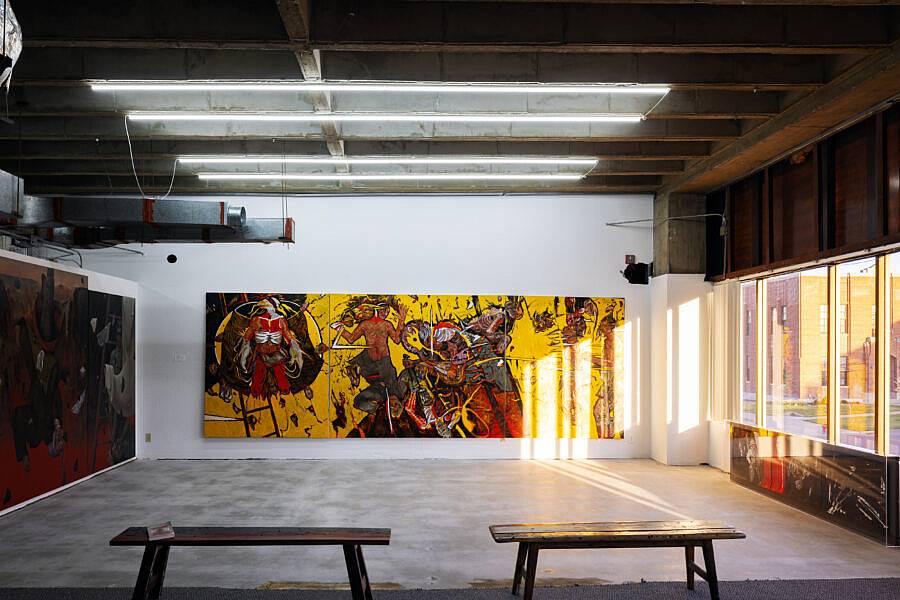
The building was empty for at least five years when we acquired it in late 2021. Our project was to use limited funds and know-how to prepare 17,000 square feet for contemporary art. We took out walls and false ceilings to open large rooms with raw concrete beams, flooding them with natural light. We pulled up carpets. Ron learned to polish concrete floors. Local painter Roxann Doyle Owens painted brick walls white to prepare for art and painted trim deep brown to add contemporary, elegant vibes. Young lighting designer Eliza Anker installed LEDs to add bright white light throughout galleries. Local artist Lucas Kotschwar installed art with exquisite care and attention to detail, including complicated 4-panel 32-foot works by Omaha artist John Thein.
Omaha artist Christopher Prinz designed, crafted, and installed custom lights to float above the atrium. Everything was about maximizing impacts with minimal funds and letting the building be the building. We cared deeply to welcome people to a new community space and showcase what contemporary art can do.
Our grand opening was October 14, 2023, featuring signature work by artist Shane Darwent on invitations and custom-designed t-shirts and keychains by Belgian designer Nicola Vercraeye. Joann and I donated the reactivated building to the umbrella nonprofit 6th Floor Project, so we could begin to accept donations to make the project sustainable.
In 2024, MIdwest Living celebrated ArtBank by naming it one of the hottest openings in their 14-state region. Nebraska Art Teachers Association came to ArtBank for their 2024 Conference and heard visionary talks from Tom di Maria and Shonto Begay. The building found its purpose.
Facts: We purchased the 17,000 square foot 1975 concrete building with a 70-car underground parking garage in 2021 for $275,000. Renovation/repurposing costs were approximately $100,000. We donated the building to the 6th Floor Project in August 2023 and held ArtBank’s grand opening on October 12, 2023. We asked an architect what it would take to construct the building today. His response: “$35 million, maybe more….”
How did your interest in your work begin?
In 1991 I moved to Kayenta, Arizona, a small community centrally-located on Dine/Navajo Nation, to become a teacher at Monument Valley High School. It was a transformative experience. I lived there five years, teaching high school English, sponsoring the Student Council, taking in the incredible cultural expressions of people who withstood attempts to eradicate their culture, language, and traditions.
Connecting with students through art – including splendid Indigenous writers like Joy Harjo, Sherman Alexie, James Welch, N. Scott Momaday, Louise Erdrich, Luci Tapahonso, and more — was especially meaningful. Shonto Begay, a dynamic painter of visions from the reservation and Dine life, was a local resident. We became friends.
A nearby Hopi family in Shongopovi — master basket-maker Roberta Namingha, her son Wilbur Namingha, and relatives — also welcomed me. The privilege of supporting artists through collecting their work — bringing beauty and meaning into my personal surroundings — became a strong calling.
Joann joined me later in that timeframe as a visiting physician with Indian Health Services. We both appreciated the opportunity to add art to our lives. “Would you like to buy art with me?” may not be the best pick-up line, but it worked!
In 1997 we moved to Oakland, California, together. Several years later we learned about the artists of Creative Growth Art Center. We crossed the threshold into their 24th Street studio where everything feels right and open and welcoming. Our lives were transformed again, and supporting artists through collecting their work expanded exponentially. Visits to like-minded progressive art studios around the world kept our collection growing. We helped launch Galerie Impaire in Paris in 2008 where we also made a second home.
We didn’t know we were acquiring art to form a public collection, but when that opportunity presented itself in McCook, we went all-in. We had experienced what art can do to improve lives and communities, and it’s been a privilege to bring that spirit forward.
Can you speak about how being an art collector might be a necessary aspect of the project?
It depends on what you mean by art collector. If you mean someone who brings original works of art into their lives, and to the attention of others, and acquires art as a means of supporting and relating to artists, then yes, definitely. Relationships and maintaining trust with artists are paramount. Unfortunately, the term art collector has also taken on aspects of gamesmanship and prospecting at art fairs that are provinces for multimillionaires and billionaires. That doesn’t seem necessary at all.
Can you explain your curatorial process? Is it collaborative?
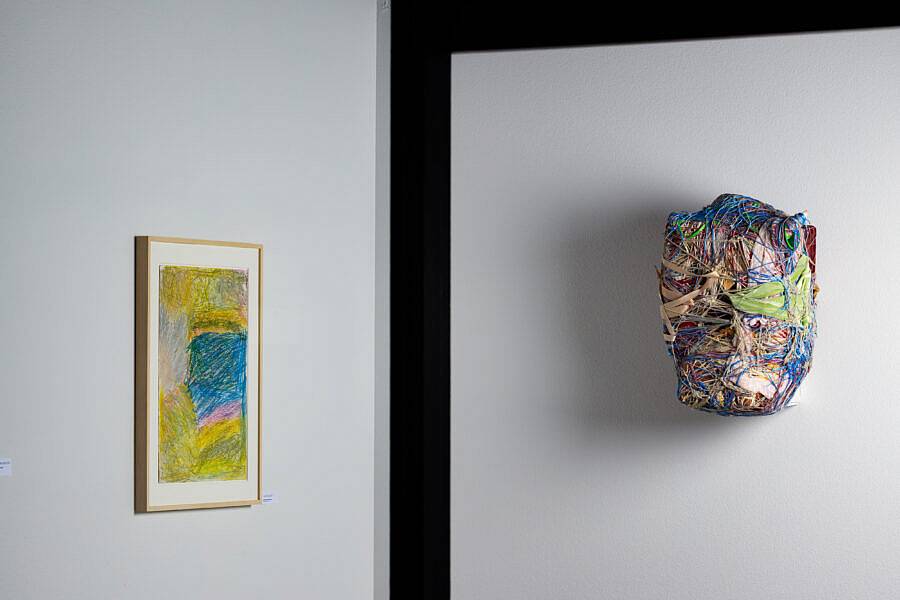
My goal as a curator is to immerse people in what an artist is communicating. Multiple works invite people into an artist’s world and allow a range of experiences and opportunities to return and engage again.
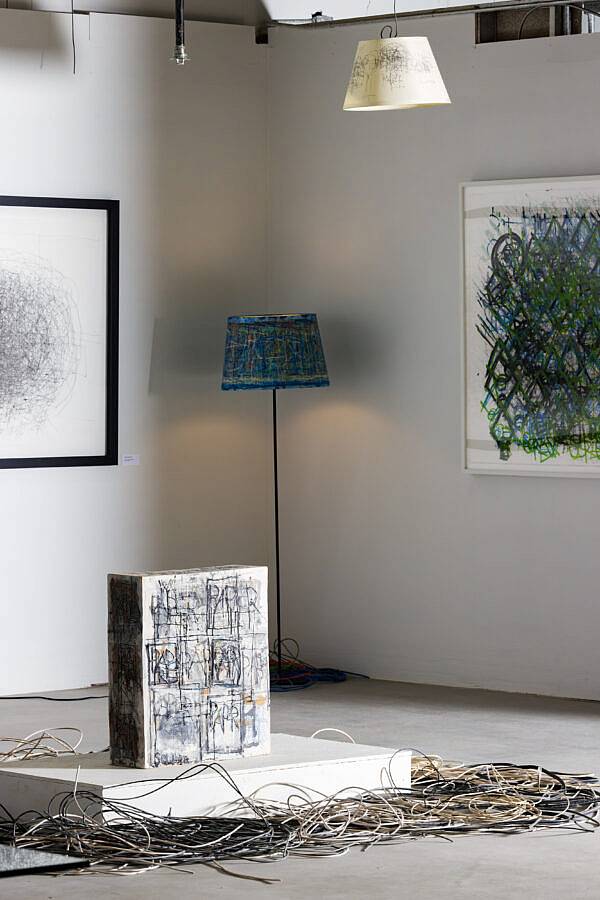
Approximately 20 paintings by Shonto Begay; John Thein’s epic 18-year series Wounded Knee: The Painted Spirit; hundreds of works by artists at Creative Growth Art Center and progressive sister studios; Irene Delka McCray’s exquisite Mother Lasting paintings on her mother’s Alzheimers and pandemic passing; 95-year old Jack Stevens’ black-and-white regional photographs; Christopher Prinz’s functional sculptures, from raw prototypes to glowing finished pieces; rotating exhibits from underappreciated and emerging artists; all are intended to offer immersive experiences.
We want these works to offer possibilities to travel to other worlds, embrace other modes of communication, deepen awareness and understanding of our own and others’ experiences.
Our curatorial process is collaborative in that we seek to be artist-led. Artists often know works they would like to show together or how they would like to present a series.
We honor those insights. We also invite our interns and guest artists to curate shows to keep presentations and perspectives fresh.
What are you really excited about right now?
We are in our second full season at ArtBank, and we are gaining traction.
We just completed our fourth summer offering free art classes to youth. The cohort of young artists in McCook is strong and vibrant. This season we added henna body painting by a new resident from India and a second season of popotillo straw painting by a resident from Mexico. A local skateboarder and all-around creative Brigham Larington gave classes on mixed media and photography, and organized a
skateboarding exhibition and concert in ArtBank’s backyard.
We’ve launched an open art studio for adults with disabilities, with Tom di Maria consulting, and we exhibited art for the first time from inmates at McCook’s Work Ethic Camp.
We recently opened a breathtaking exhibit by Colorado artist Irene Delka McCray on her mother’s Alzheimers and pandemic passing. It’s powerful to see local residents especially moved by art addressing a difficult subject many have experienced.
Artists are breaking lots of ground through these activities. It’s exciting to see our platforms expanding.
Do you think a gallery that takes this form can lead the way for other art opportunities nationally?
Absolutely. Lincoln-based photographer and multi-media artist Roger Bruhn has an exquisite book called Welcome to Our Town. Once inside the book, you realize the title has sardonic undertones as the photos are of beautiful, historic buildings in rural Nebraska and Iowa that are empty and at risk of falling apart.
Roger opens the book with a profound statement from Ernst Fischer: “In a decaying society, art, if it is truthful, must also reflect decay. And unless it wants to break faith with its social function, art must show the world as changeable. And help to change It. We want art to have a social function. Vacant spaces in rural communities present vital opportunities for art to bring new energy, expand cultural awareness, and offer creative platforms. Art deserves to be seen and experienced. It suffocates in storage. Let’s allow art and artists to play integral roles in paths forward for rural revitalization, urbanto-rural bridge-making, national renewal, healing.
Can you share one of the best or worst reactions you have gotten as a result of your work?
Our friend Nancy Williams’ first visit was memorable. Nancy founded No More Empty Pots, a food-security, community kitchen, job-training program doing spectacular work in north Omaha. Joann and I visited soon after we returned to Nebraska.
Nancy reached out a few months later and said she had a couple open days and wanted to visit 6th Floor. She was motivated to make the four-hour drive to McCook from Omaha.
I met Nancy in front of the Keystone Building and took her up the elevator to 6th Floor.
The doors opened, and she walked into the space. We were quiet. I looked over at Nancy. She had tears slowly streaming down her face. She said: ”I knew I needed to come here, and I didn’t know why. Now, I know.” Nancy was deeply moved by art + space + community. Art can reach us when almost nothing else can. The artists were speaking to Nancy. I didn’t need to say anything. That’s the dream.
Interview conducted and edited by Liam Owings